Why Your Studio Needs Affordable, Quality Headphones
Why do so many aspiring music producers and audio engineers settle for subpar sound when crafting their mixes? It’s often a perceived barrier of entry: the assumption that professional-grade studio headphones automatically cost a fortune. However, as of September 2026, the market offers an impressive array of budget-friendly options that deliver exceptional clarity and accuracy. These headphones are indispensable tools for any home studio or aspiring professional.
Last updated: September 13, 2026
Professional audio clarity is achievable with budget studio headphones in 2026. Key features to look for include accurate frequency response, good sound isolation, and comfort for long sessions. Closed-back designs are generally preferred for recording to minimize sound bleed, while open-back can offer a more natural soundstage for mixing. Beware of overly hyped bass or treble; aim for a neutral, balanced sound profile. Durability and build quality are crucial for longevity, even on a budget.
Latest Update (September 2026)
Recent analyses by industry experts highlight the continued evolution of budget studio headphone technology. According to TechRadar’s September 2026 report on the best wireless headphones, advancements in driver technology are increasingly filtering down into more affordable models, offering improved transient response and detail. While wired connections remain the gold standard for latency-free monitoring, the gap is narrowing for certain applications. Furthermore, as reported by The New York Times on September 11, 2026, noise isolation remains a paramount concern for creators working in varied environments, reinforcing the value of well-designed closed-back budget options for recording and focused mixing.
Creative Bloq’s September 2026 roundup of the best-sounding wired headphones also emphasizes that sonic accuracy doesn’t require a premium price. They note that many manufacturers now prioritize a flat frequency response even in their entry-level offerings, a trend that benefits home studio users immensely. This focus ensures that creators can make critical mixing decisions with confidence, even without investing in high-end equipment.
Decoding the Specs: What Makes a Budget Headphone ‘Studio-Ready’?
When shopping for the best budget studio headphones, it’s easy to get lost in technical jargon. However, a few key specifications consistently signal suitability for studio work. Foremost is the frequency response. Consumer headphones often boost bass or treble to sound ‘exciting’. Studio headphones, conversely, aim for a flat, neutral response. A typical range cited is 20Hz-20kHz or wider, but the flatness across this spectrum is more important than the raw range. This accuracy ensures you hear your audio as it truly is, which is crucial for making informed mixing decisions.
Sound isolation is another critical factor, particularly for recording. Closed-back headphones are designed to create a seal around your ears. This prevents external noise from interfering with your recording and, crucially, stops the headphone audio from bleeding into your microphone. Impedance, measured in Ohms (Ω), indicates how much power the headphones require to reach a certain volume. Lower impedance (around 32Ω) is generally suitable for direct connection to most devices like laptops and audio interfaces. Higher impedance (250Ω or more) often benefits from a dedicated headphone amplifier for optimal performance, though many budget interfaces now offer sufficient power.
Closed-Back vs. Open-Back: Which Design Suits Your Studio Task?
The physical design of studio headphones significantly impacts their sound and application. Closed-back headphones offer superior sound isolation, making them the go-to choice for vocalists, instrumentalists recording live takes, and anyone working in a noisy environment. This design minimizes sound leakage, ensuring that what you hear is primarily what’s being recorded or mixed, without your microphone picking up headphone bleed. Brands like Audio-Technica and Sony are well-known for their durable closed-back models.
Conversely, open-back headphones feature perforated ear cups that allow air and sound to escape. This design often results in a more natural, spacious soundstage, providing a wider sense of stereo imaging. While they excel for critical listening and mixing because they reduce ear fatigue and offer a more ‘speaker-like’ experience, their lack of isolation makes them unsuitable for recording. If your primary need is mixing and mastering in a quiet room, an open-back budget option might offer a more immersive experience, though sound leakage is a significant consideration. As RTINGS.com noted in their September 2026 review of open-back headphones, these models can provide a more revealing listen for critical mixing tasks when isolation isn’t a concern.
For most budget-conscious users starting out, a solid closed-back pair often provides the most versatility. This allows for both recording and basic mixing tasks without compromise. Understanding your primary workflow will dictate which design offers the best value for your studio setup.
Comfort and Durability: The Unsung Heroes of Budget Gear
When you’re spending hours fine-tuning a track, headphone comfort is paramount. Look for models with plush, well-padded ear cups that sit comfortably around or over your ears without excessive clamping force. Adjustable headbands and ear cups that swivel can help you find the perfect fit. Materials matter too; breathable fabrics can prevent overheating during long sessions, while strong plastic or metal construction suggests greater durability. Many budget headphones use plastic, but higher-quality plastics or reinforced joints can make a significant difference in longevity.
Durability is often the first compromise on cheaper gear, but it doesn’t have to be. Check reviews for common failure points, such as weak hinge designs or easily damaged cables. Detachable cables are a huge plus, as they can be replaced if they fray or break, extending the life of the headphones considerably. Brands like AKG and Sennheiser, even in their more affordable lines, often strike a good balance between comfort, durability, and audio performance, making them strong contenders in the budget studio headphone market.
Users report that headphones offering replaceable ear pads also provide better long-term value. This simple feature can prevent the need to buy an entirely new pair when the original pads wear out, a common issue with extended use. Considering these factors ensures your budget headphones remain a reliable tool for years to come.
Top Budget Studio Headphones: Our Picks for 2026
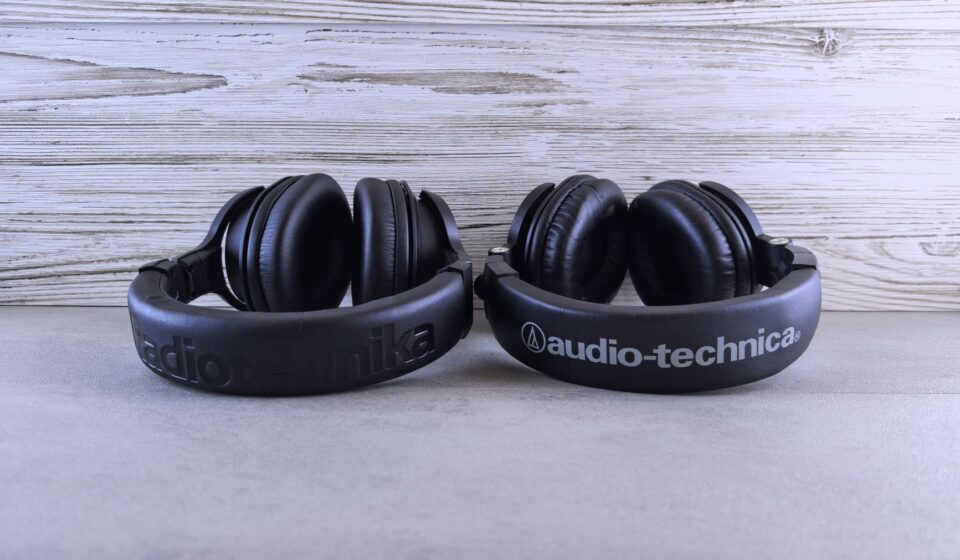
Navigating the vast market, several models consistently stand out for offering excellent value. As of September 2026, the Audio-Technica ATH-M20x remains a favorite for its balanced sound profile and solid build, often found for under $70 USD or £70 GBP. They offer good isolation and reliable performance for general studio use. For those seeking a wider soundstage at an even lower price point, the Samson SR850 (semi-open back) provides surprising clarity for its typical sub-$50 USD or £50 GBP cost, making it a popular choice for mixing and critical listening in quieter environments.
Another consistently recommended option is the AKG K72, usually priced around $50-$60 USD or £40-£50 GBP. These closed-back headphones offer decent detail and a comfortable fit, ideal for initial tracking and general studio work. For a slightly higher budget, pushing towards $100 USD or £100 GBP, the Sony MDR-7506 is a legendary industry standard. While not strictly ‘budget’ for everyone, its proven reliability, accurate sound, and strong construction make it a worthwhile investment. It often depreciates slowly in value, meaning you can frequently find them used in good condition for less.
BGR.com recently highlighted highly-rated headphones under $50 in a September 2026 article, noting that models like the Behringer HPX2000 offer surprisingly good performance for the price, making them accessible for beginners. These types of options prove that quality audio monitoring is within reach for almost any budget.
| Model | Price (Approx. USD) | Type | Key Strength |
|---|---|---|---|
| Audio-Technica ATH-M20x | $60-$70 | Closed-back | Balanced sound, good isolation |
| Samson SR850 | $40-$50 | Semi-open back | Wide soundstage, clarity for mixing |
| AKG K72 | $50-$60 | Closed-back | Comfortable fit, decent detail for tracking |
| Sony MDR-7506 | $80-$100 (often found cheaper used) | Closed-back | Industry standard, durable, accurate sound |
| Behringer HPX2000 | $30-$40 | Closed-back | Extreme value, functional for basic monitoring |
Considering Other Factors for Your Budget Purchase
Beyond the core specifications, a few other practical considerations can enhance your experience with budget studio headphones. Cable length and type are often overlooked. A coiled cable can prevent tangles during use, while a longer straight cable offers more freedom of movement. Ensure the cable is robustly attached, as this is a common failure point. Some headphones offer detachable cables, which is a significant advantage for repairability and customization.
Connector types are also important. Most studio headphones come with a 1/4-inch jack, often with a 3.5mm adapter included. Verify that the connector is compatible with your audio interface or playback device. While many budget models focus on functionality, some may offer features like swiveling earcups for single-ear monitoring, which is useful for engineers checking their mixes against external sound sources or focusing on specific frequencies.
The overall build quality, even on budget models, can be assessed by reading user reviews. Look for comments regarding hinge strength, headband durability, and the quality of the earcup materials. A headphone that feels flimsy is more likely to break, leading to premature replacement and ultimately costing more.
The Importance of a Neutral Sound Signature
As mentioned, the primary goal of studio headphones is accuracy. This means they should reproduce sound as faithfully as possible, without artificial enhancements. Consumer headphones often feature a ‘smiley face’ EQ curve, with boosted bass and treble, designed to make music sound more exciting on the go. While pleasant for casual listening, this coloration is detrimental for mixing and mastering.
When you mix on headphones with exaggerated bass, you might reduce the bass frequencies in your track, only to find it lacking low-end when played back on other systems. Similarly, hyped treble can lead you to mix with too little high-frequency content, resulting in a dull-sounding track. Budget studio headphones that prioritize a flat frequency response, even if they sound less immediately impressive than their consumer counterparts, are essential tools for building a balanced mix.
Achieving a neutral sound signature means the headphones reveal the true character of your audio, including any imperfections. This allows you to make precise adjustments to EQ, compression, and other effects, ensuring your music translates well across different playback systems. This accuracy is the foundation of professional audio production.
Frequently Asked Questions
Are budget studio headphones good enough for professional use?
Yes, many budget studio headphones offer sufficient accuracy and build quality for professional use in 2026. While high-end models offer refinements, entry-level options provide the neutral sound signature necessary for critical listening and mixing. They are particularly valuable for home studios or mobile setups where cost is a factor.
Can I use open-back headphones for recording?
No, open-back headphones are generally unsuitable for recording. They leak sound, meaning the audio from the headphones can be picked up by your microphone, causing unwanted bleed in your recordings. They are best suited for mixing and critical listening in quiet environments.
How important is impedance for budget headphones?
For most budget studio headphones, impedance around 32-80 Ohms is ideal for direct connection to computers and audio interfaces. Higher impedance headphones (250 Ohms+) require more power and may sound quiet or distorted without a dedicated headphone amplifier, which adds to the overall cost.
Should I buy closed-back or open-back headphones for mixing?
For mixing, open-back headphones can offer a more natural and spacious soundstage, reducing listener fatigue. However, if your mixing environment is noisy or you need to be mindful of sound leakage, closed-back headphones provide better isolation and are still perfectly capable of delivering accurate mixes.
What is the best way to clean studio headphones?
Gently wipe the earcups and headband with a slightly damp cloth, using water only. For stubborn dirt, a mild, non-alcoholic soap solution can be used sparingly. Ensure the headphones are completely dry before use. Avoid submerging them or using harsh chemicals, which can damage the materials.
Conclusion
Investing in quality studio headphones doesn’t require breaking the bank in 2026. The market is rich with budget-friendly options that deliver the accuracy, comfort, and durability needed for serious audio work. By understanding key specifications like frequency response and isolation, and considering whether a closed-back or open-back design best suits your workflow, you can make an informed decision. Models from Audio-Technica, AKG, Samson, and Sony, among others, consistently prove that professional sound monitoring is accessible to everyone, regardless of budget.