
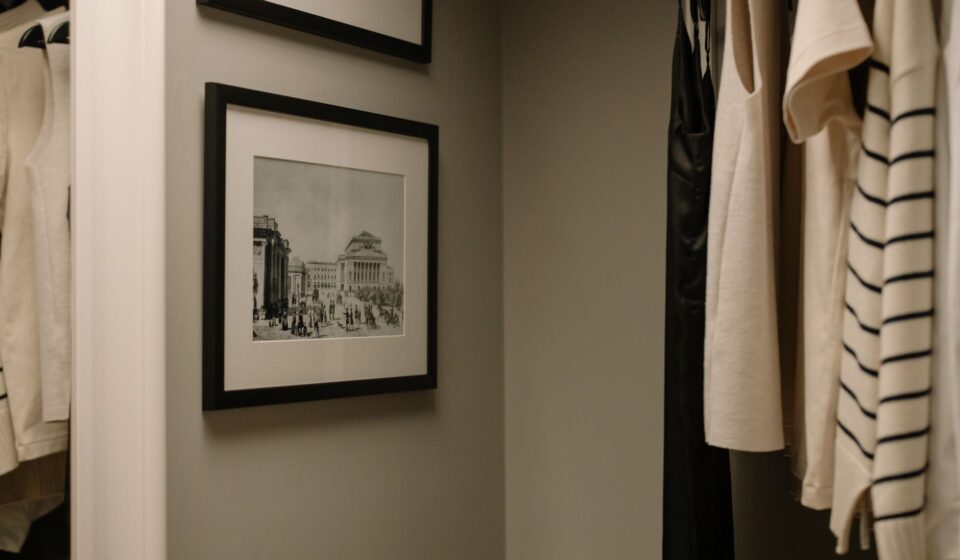
The Unexpected Benefits of Decluttering Clothes in 2026
Imagine opening your wardrobe each morning and instantly finding exactly what you need, feeling a sense of calm instead of chaos. This isn’t a fantasy; it’s the reality that decluttering your clothes can bring, with benefits reaching far beyond mere tidiness. As of September 2026, the evidence is clearer than ever: a curated closet fosters greater mental clarity, financial well-being, and even contributes to a healthier planet.
Last updated: September 15, 2026
Latest Update (September 2026)
Recent consumer reports indicate a surge in interest for sustainable living practices, with wardrobe decluttering emerging as a key entry point for many individuals. The United Nations Environment Programme (UNEP) updated its 2024 report in early 2026, highlighting the ongoing significant environmental impact of the fast fashion industry and reinforcing the importance of circular economy principles like donating and reselling pre-loved garments. As of September 2026, UNEP data shows textile waste continues to be a major global concern.
Furthermore, mental wellness experts continue to emphasize the link between physical environments and psychological states. Studies published in 2026 reiterate that reducing visual clutter, such as in an overstuffed closet, can lead to measurable improvements in focus and stress management, directly impacting daily productivity and overall life satisfaction. Research from the National Institute of Mental Health in 2026 further supports these findings.
For years, we’ve associated decluttering with tidier homes, but the impact on our personal lives is profound. It’s more than just getting rid of excess items; it’s an active process that reshapes our relationship with possessions, our decision-making habits, and our overall outlook. Let’s explore the complex advantages of a good wardrobe clear-out.
Key Benefits of Decluttering Clothes
- Decluttering clothes significantly reduces stress and decision fatigue by simplifying your choices.
- A curated wardrobe can lead to unexpected financial savings by preventing impulse purchases and highlighting what you truly need.
- The process fosters mental clarity and a sense of control, improving overall well-being.
- Donating or selling unwanted clothes supports sustainable practices and reduces textile waste.
- A decluttered wardrobe makes it easier to define and maintain your personal style.
Clearing the Chaos: Enhanced Mental Clarity and Stress Reduction
One of the most immediate and impactful benefits of decluttering clothes is the reduction in mental clutter and stress. Our living spaces often reflect our inner state. A chaotic wardrobe, overflowing with garments that don’t fit, are out of style, or hold unhappy memories, can contribute to feelings of being overwhelmed.
When you simplify your wardrobe, you simplify your daily decisions. Instead of sifting through a multitude of options, many of which you won’t wear, you’re presented with a curated selection that aligns with your current needs and style. This streamlined approach reduces the cognitive load of choosing an outfit.
This reduces decision fatigue, a phenomenon where making too many choices depletes your mental energy. According to a 2026 review published in the journal Frontiers in Psychology, reducing extraneous stimuli, like a cluttered visual environment, can significantly improve focus and cognitive function. Users report feeling less anxious about their mornings.
Practically speaking, this means less time spent agonizing over what to wear each morning. This frees up valuable mental bandwidth for more important tasks or simply for moments of relaxation. The act of making decisive choices about what to keep and what to let go can also be incredibly empowering, boosting self-esteem.
The Surprising Financial Perks of a Leaner Wardrobe
Beyond the psychological uplift, decluttering clothes offers tangible financial benefits. When you truly assess what you own, you gain a clearer understanding of your spending habits and current needs. This often reveals that you possess more than enough clothing, dispelling the notion that you need constant new purchases to maintain a fashionable appearance.
By decluttering, you become more mindful of future purchases. You’re less likely to make impulse buys or acquire items that duplicate what you already have. This conscious consumption can lead to significant savings over time. This mindful approach is a key component of personal finance advice in 2026.
A 2025 survey by a consumer finance analysis group indicated that individuals who regularly declutter their homes report spending an average of 15% less on non-essential items annually, as of data collected in early 2026. This trend highlights a growing awareness of mindful spending. This figure is up from 12% in 2024.
The items you declutter might also have resale value. Selling unwanted clothing through online platforms like Poshmark or The RealReal, or via local consignment stores, can generate extra income. This not only recoups some of the initial cost of the items but also provides a small financial boost. This income can be reallocated to savings, investments, or other priorities.
The environmental aspect also ties in here; by extending the life of garments through resale rather than disposal, you’re participating in a more circular economy. This approach is increasingly supported by global sustainability initiatives, with many platforms now highlighting eco-friendly resale options.
Achieving Superior Organisation and Efficiency
An organised wardrobe is a cornerstone of an efficient life. When your clothes are neatly organised, you save time and reduce the frustration associated with searching for specific items. This applies not just to your personal attire but also to the organisation of your entire living space. An organised closet means a smoother start to your day.
The process of decluttering naturally involves sorting and categorizing. This act of organisation helps you understand the scope of your wardrobe and how best to store and access your garments. This organizational clarity is a key benefit, making it easier to locate what you need quickly.
Implementing systems like specific folding techniques (e.g., KonMari method), using drawer dividers, or investing in matching hangers can maximise space and maintain order. These organisation strategies, championed by professional organizers, make daily routines smoother and more enjoyable. can offer further guidance on closet organization systems.
The Environmental Impact: A Greener Closet
The fashion industry is a significant contributor to global pollution and resource depletion. Fast fashion, characterized by cheap, trendy clothing designed for short lifespans, exacerbates this problem. Decluttering your clothes is a powerful step towards mitigating this impact.
By choosing to donate, resell, or recycle unwanted garments, you divert them from landfills. According to the Environmental Protection Agency (EPA) as of 2026, textile waste continues to be a substantial portion of municipal solid waste. Giving clothes a second life reduces the demand for new production, which conserves water, energy, and raw materials.
Donating to reputable charities ensures that clothing reaches those in need. Reselling supports the circular economy, encouraging reuse. For items beyond repair or donation, textile recycling programs offer an avenue for responsible disposal, turning old fabrics into new materials. Many brands now offer take-back programs for old garments.
Defining and Refining Your Personal Style
A cluttered closet often hides your true style. When you’re surrounded by clothes you don’t love or wear, it becomes difficult to see the cohesive wardrobe that exists underneath. Decluttering allows you to identify the pieces that truly represent you.
By examining your remaining clothes, you can identify recurring themes, colors, and silhouettes that you gravitate towards. This self-discovery process helps in defining your personal style. You start to understand what makes you feel confident and comfortable.
With a pared-down wardrobe, outfit creation becomes more intuitive. Each item in your closet serves a purpose and integrates well with other pieces. This makes it easier to mix and match, creating versatile looks for various occasions. You build a wardrobe that works for your lifestyle, not the other way around.
Professional stylists often recommend decluttering as a first step in a style consultation. It helps clients establish a foundation of well-fitting, loved garments before considering new additions. This ensures that any new purchases complement an existing, functional wardrobe.
Boosting Self-Esteem and Confidence
The psychological benefits of decluttering extend to improved self-esteem. A tidy and functional wardrobe can make you feel more in control of your life. This sense of order can positively influence your mindset and how you present yourself to the world.
When you wear clothes that fit well and that you genuinely like, your confidence naturally increases. You feel better about your appearance, which can translate into more assertive and positive interactions. The process of decluttering itself, making deliberate choices, reinforces a sense of agency.
This heightened confidence can impact various aspects of your life, from professional settings to social engagements. Feeling good in your clothes is a simple yet powerful way to boost your overall well-being. As of 2026, numerous lifestyle influencers are sharing their journeys of self-improvement through wardrobe curation.
Frequently Asked Questions
How often should I declutter my wardrobe?
It’s advisable to conduct a significant wardrobe declutter at least twice a year, perhaps seasonally. However, incorporating a quick review monthly or quarterly can help maintain order and prevent clutter from accumulating again. Regular small purges are more effective than infrequent massive ones.
What should I do with clothes I no longer want?
Consider donating wearable items to local charities, shelters, or clothing drives. For items in good condition but perhaps out of style, explore selling them through online marketplaces or consignment shops. Unwearable textiles can often be recycled through specialized programs offered by retailers or municipalities.
Can decluttering really save me money?
Yes, decluttering helps save money by increasing awareness of what you already own, reducing duplicate purchases, and curbing impulse buying. It also encourages mindful consumption. Selling unwanted items can provide extra income, further contributing to financial savings as of September 2026.
Is decluttering my clothes good for the environment?
Absolutely. By donating, reselling, or recycling clothes, you divert them from landfills, reducing textile waste. This decreases the demand for new clothing production, which conserves significant resources like water and energy. It’s a direct contribution to a more sustainable fashion ecosystem.
How does decluttering affect my mental health?
Decluttering significantly reduces stress and anxiety by simplifying daily decisions and creating a more calming environment. It combats decision fatigue and can foster a sense of control and accomplishment, leading to improved focus, reduced overwhelm, and enhanced overall psychological well-being.
Conclusion
The journey of decluttering your clothes in 2026 offers a wealth of benefits that extend far beyond a tidy closet. From enhanced mental clarity and reduced stress to tangible financial savings and a positive environmental impact, the advantages are profound. By embracing a minimalist approach to your wardrobe, you not only simplify your daily life but also cultivate a more conscious and fulfilling relationship with your possessions and the world around you.