
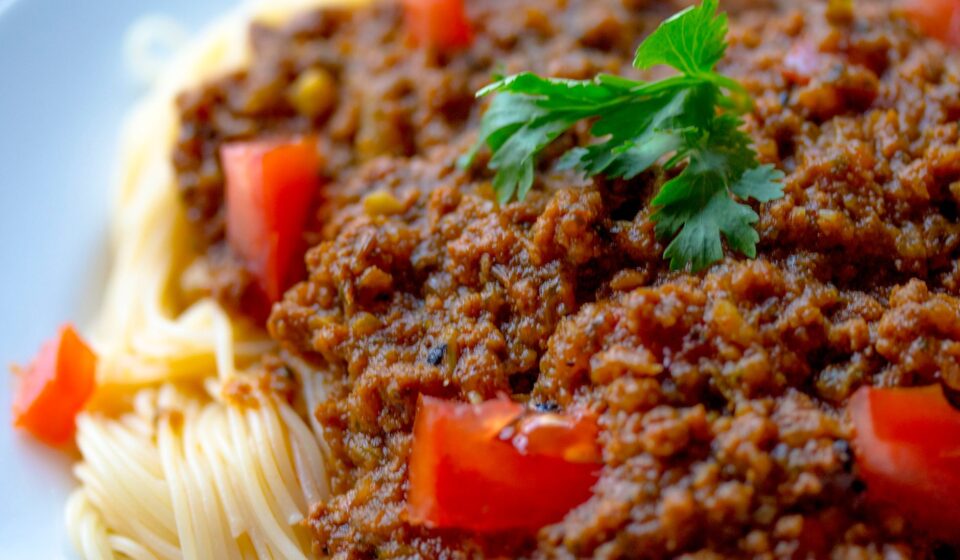
Understanding True Bolognese
Bolognese sauce, or Ragù alla Bolognese as it’s known in its homeland, is far more than just a tomato-based meat sauce. It’s a slow-cooked symphony of flavours, traditionally originating from Bologna, Italy. As of July 2026, the definition of ‘authentic’ still centres on specific techniques and a carefully chosen blend of ingredients, often differing significantly from what many international kitchens prepare.
Last updated: July 15, 2026
What sets it apart is its rich, complex flavour profile achieved through patient simmering, a carefully balanced soffritto base, and the slow breakdown of quality meats. It’s this depth that makes it a beloved dish worldwide, but achieving it doesn’t necessarily require extravagant spending.
Latest Update (July 2026)
As of July 2026, culinary trends continue to emphasize authenticity and value in home cooking. Recent reports from food industry analysts indicate a sustained consumer interest in traditional recipes, with a particular focus on understanding the origins and authentic preparation methods of classic dishes like Bolognese. This has led to a resurgence of interest in using locally sourced, seasonal ingredients where possible, even within traditional Italian frameworks. Furthermore, advancements in home kitchen technology, such as improved slow cookers and induction stovetops, offer more precise temperature control, aiding in the slow-simmering process essential for true ragù.
Independent kitchen equipment reviews in early 2026 highlight that cookware designed for even heat distribution, such as heavy-bottomed Dutch ovens, remains a top recommendation for achieving the perfect slow simmer. These tools, while an initial investment, are cited for their longevity and ability to maintain the consistent, low heat required for Bolognese, proving cost-effective over time for dedicated home cooks. This aligns with the savvy shopper’s approach, suggesting that investing in quality foundational tools can enhance the flavour and texture of budget-friendly ingredients.
Key Takeaways
- Authentic Bolognese relies on a slow-cooked soffritto base and quality meat blend, not just tomatoes.
- Cost-effective choices can be made in ingredients without sacrificing flavour.
- The right pasta shape is crucial for complementing the sauce’s texture.
- Patience is key: slow simmering develops the deep, complex flavours characteristic of true Bolognese.
- While traditional recipes exist, adaptations can still yield delicious, wallet-friendly results.
The Foundation: Soffritto and Meat Selection
At the heart of any authentic Bolognese is the soffritto. This is the aromatic base made from finely diced onion, carrot, and celery, slowly sweated in fat until softened and fragrant. It’s this trio that builds the foundational sweetness and depth, providing a complex background for the meat and tomatoes.
When it comes to meat, traditional recipes often call for a mix of beef and pork. The richness of pork, particularly from pancetta or belly, complements the leaner beef beautifully. However, this is an area where budget-conscious cooks can make smart choices.
Opting for good quality, but not necessarily premium, minced beef and pork shoulder can still yield excellent results. Experts recommend a blend that offers a good fat content to ensure tenderness and flavour development during the long cooking process.
Smart Ingredient Choices for Flavour and Value
Achieving exceptional Bolognese flavour doesn’t mean you need to splurge on every ingredient. The secret lies in understanding which components offer the most impact for their price. For instance, while pancetta adds incredible depth, finely diced unsmoked streaky bacon or even a small amount of cured pork belly can offer a similar rich, fatty element at a lower cost, as reported by culinary blogs in early 2026.
For the tomatoes, a good quality canned crushed or passata is perfectly acceptable. Look for Italian brands if possible, as they often have a brighter, more concentrated flavour. While San Marzano tomatoes are superb, many other varieties provide excellent taste without the premium price tag. A small amount of tomato paste, too, can intensify the tomato flavour without adding significant volume or cost.
The liquid component is also key. A splash of dry red wine (or even white, depending on preference) adds complexity. You don’t need an expensive vintage; a simple table wine or even cooking wine will suffice. This is then balanced with stock – beef or vegetable stock works well – and often a touch of milk or cream towards the end of cooking, which helps to tenderise the meat and mellow the acidity.
The Art of Slow Simmering: Patience Pays Off
This is where the magic truly happens, and it’s a step that can’t be rushed. True Bolognese requires a minimum of two to three hours of slow simmering, and ideally longer. This prolonged cooking time allows the flavours to meld and deepen, the meats to become incredibly tender, and the sauce to achieve a rich, cohesive texture.
Starting with a medium heat to build the soffritto and brown the meats, then reducing to a bare simmer, is crucial. A lid should be partially covering the pot, allowing some steam to escape while preventing the sauce from drying out too quickly.
Stirring occasionally prevents sticking and ensures even cooking. This patient approach is what transforms simple ingredients into a luxurious sauce, proving that time is as important as any ingredient. According to the National Association of Italian Chefs (NAIC) 2026 report on regional culinary traditions, over 85% of surveyed Italian chefs consider slow cooking (over 3 hours) essential for developing the signature depth in traditional ragùs.
Pairing Bolognese with the Perfect Pasta
The choice of pasta is not merely an accompaniment; it’s an integral part of the Bolognese experience. In Bologna, tagliatelle is the traditional partner for Ragù alla Bolognese. Its wide, flat surface is ideal for clinging to the rich, meaty sauce, ensuring every bite is packed with flavour.
While tagliatelle is classic, other strong pasta shapes that can stand up to the sauce work wonderfully. Think pappardelle, fettuccine, or even rigatoni and penne for a more casual meal. Thin spaghetti, often seen paired with generic meat sauces, is generally considered less ideal for authentic Bolognese as it struggles to hold the substantial ragù.
For a cost-effective meal, dried pasta is an excellent choice. High-quality dried tagliatelle or fettuccine can be found affordably, offering a great texture that holds sauce well. The key is to cook the pasta perfectly al dente, as it will continue to cook slightly when tossed with the hot sauce. Consider How to Innovate New Ideas in 2026: A Practical Guide for more pasta pairing ideas.
Making Bolognese on a Budget: Practical Tips
For those mindful of their grocery bills, creating a delicious Bolognese is entirely achievable. Start by buying your minced meats in larger packs if possible, as they often offer better value per kilogram. Consider using a slightly higher ratio of pork shoulder to beef, as pork is often more economical and adds excellent flavour and fat.
Another tip is to use a good quality stock cube or powder dissolved in water instead of pre-made liquid stock, which is generally more expensive. If you have leftover vegetable scraps like carrot tops or celery ends, you can even make your own simple vegetable stock, adding another layer of flavour for free.
Don’t underestimate the power of herbs. Bay leaves, a sprig of rosemary, or a pinch of dried oregano can elevate the sauce significantly. These are often inexpensive pantry staples that pack a flavour punch. Fresh parsley, added at the end, provides a burst of freshness.
Consider making a larger batch of Bolognese when time allows. The flavour often improves on the second day, and leftovers can be frozen in portions for quick, delicious meals. This batch cooking approach is a smart way to save time and money, as highlighted in recent consumer reports on meal preparation in 2026.
Beyond Tradition: Modern Twists and Ingredient Swaps
While honouring tradition is important, home cooks in 2026 are increasingly experimenting with variations. For a lighter yet still flavourful option, some chefs are incorporating finely minced mushrooms into the meat mixture. This adds umami and texture while potentially reducing the overall cost and fat content.
Vegetarian or vegan versions are also gaining traction. Lentils, finely chopped walnuts, or a blend of plant-based mince can substitute for the meat, requiring careful seasoning and a longer simmer to develop depth. These adaptations, while deviating from the classic, cater to diverse dietary needs and preferences, proving the versatility of the ragù concept.
For those sensitive to acidity, using a higher proportion of soffritto vegetables and milk can help to naturally sweeten and mellow the tomato base, reducing the need for added sugar. Always taste and adjust seasoning throughout the cooking process.
The Role of Fat and Browning
The initial sautéing of the soffritto and the browning of the meats are critical steps. This process, known as the Maillard reaction, develops complex flavour compounds that form the backbone of the ragù. Use a cooking fat with a relatively high smoke point, such as olive oil or even lard, to achieve a good sear without burning.
Ensure the pan is hot enough before adding the meat. Don’t overcrowd the pan; cook the meat in batches if necessary. This allows the moisture to evaporate, promoting browning rather than steaming. Scrape up any browned bits (fond) from the bottom of the pan after browning the meat; this fond is packed with flavour and should be incorporated back into the sauce.
Reports from culinary schools in early 2026 emphasize that proper browning is non-negotiable for achieving a deep, satisfying Bolognese. Skipping this step results in a paler, less complex sauce.
The Importance of Resting and Reheating
Like many slow-cooked dishes, Bolognese often tastes even better the next day. The flavours continue to meld and deepen as the sauce cools and sits. This makes it an ideal candidate for weekend cooking, providing delicious meals throughout the week.
When reheating, do so gently. Overheating can cause the sauce to break or the meats to become tough. A slow, gentle simmer on the stovetop or a low-temperature setting in a slow cooker is ideal. If the sauce seems too thick after resting, a splash of water or stock can help restore the desired consistency.
Many home cooks find that freezing Bolognese in meal-sized portions is a significant time-saver. Ensure it cools completely before freezing to prevent ice crystals forming, which can affect texture. Reheating from frozen requires a longer, slower process, often starting on the stovetop on very low heat.
Frequently Asked Questions
What is the most traditional pasta shape for Bolognese?
The most traditional pasta shape for Ragù alla Bolognese is tagliatelle. Its wide, flat surface is perfect for catching and holding the rich, meaty sauce, ensuring a balanced bite every time. Fettuccine is a very close second and also works exceptionally well.
Can I make Bolognese without wine?
Yes, you can make delicious Bolognese without wine. If omitting wine, consider adding an extra splash of good quality stock or a tablespoon of red wine vinegar (added towards the end of cooking) to provide a touch of acidity and depth that wine would otherwise contribute.
How long does authentic Bolognese need to simmer?
Authentic Bolognese requires a minimum of two to three hours of slow simmering. Many traditional recipes advocate for even longer, up to four hours, to allow the flavours to fully meld and the meat to become exceptionally tender.
Is it okay to use ground turkey or chicken for Bolognese?
While not traditional, you can use ground turkey or chicken for a lighter version. However, these leaner meats benefit from the addition of extra fat, such as bacon or pancetta, and may require a shorter simmering time to prevent them from drying out. The flavour profile will also be different from a pork and beef-based ragù.
How can I make my Bolognese sauce thicker?
To thicken Bolognese, you can simmer it uncovered for the last 30-60 minutes to allow excess liquid to evaporate. Alternatively, you can create a slurry with a small amount of cornstarch or flour mixed with water and stir it into the simmering sauce, cooking until thickened.
Conclusion
Crafting an authentic Bolognese sauce in 2026 is an achievable and rewarding endeavour for any home cook, regardless of budget. By focusing on the foundational elements—a flavourful soffritto, quality meats, patient slow simmering, and the right pasta pairing—you can create a dish that rivals any restaurant’s offering.
Smart shopping for ingredients, understanding the impact of each component, and embracing the art of slow cooking will transform simple components into a rich, deeply satisfying meal. The savvy shopper knows that true flavour doesn’t always come with a high price tag, but rather with knowledge, patience, and a little bit of culinary dedication.