
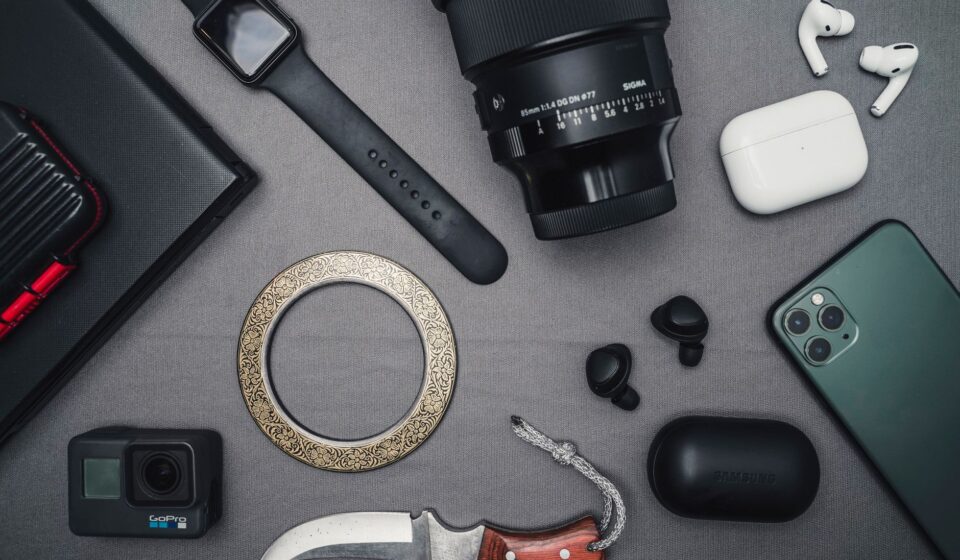
Redefining the ‘Gadget’ in 2026
Most people think of a ‘gadget’ as a small, novel electronic device. While that’s partially true, the definition of technological gadgets in 2026 is far more expansive, encompassing an ever-growing array of tools that shape how we work, play, and connect.
Last updated: September 6, 2026
Key Takeaways
- Technological gadgets are electronic devices with a specific function, often portable and innovative.
- They have evolved from simple tools to complex, interconnected systems integrated into daily life.
- Key categories include smartphones, wearables, smart home devices, and specialized tools.
- Their impact extends across convenience, productivity, entertainment, and communication.
- Future trends point towards greater integration, AI-driven functionality, and sustainable design.
What Exactly is a Technological Gadget?
At its core, a technological gadget is an electronic device designed for a specific purpose, often offering an advanced solution to a task or need. Think of it as a tool, but one powered by electronics, microprocessors, and sophisticated software.
The term ‘gadget’ itself implies a certain ingenuity and often, a degree of portability. Unlike a foundational piece of technology like a computer or a television, a gadget typically excels at one or a few related tasks.
For instance, a smartwatch is a gadget designed primarily for timekeeping, fitness tracking, and notifications, even though it contains complex computing power. Its value lies in its focused utility.
From Novelty to Necessity: The Gadget’s Journey
The concept of a ‘gadget’ isn’t new; early mechanical contraptions could be considered rudimentary gadgets. However, the modern era has seen an explosion in electronic gadgets. Early examples might include portable calculators or digital watches.
These early devices offered a glimpse into a future where technology would become increasingly personal and accessible. As processing power grew and components shrank, gadgets became more sophisticated and integrated into our daily routines.
The smartphone, arguably the ultimate modern gadget, consolidated many functions into a single, pocket-sized device. It fundamentally altered communication and information access for billions.
As of September 2026, the line between a ‘device’ and a ‘gadget’ is often blurred. Many items we once considered distinct devices, like cameras or navigation systems, are now integrated into smartphones. This evolution signifies a shift towards consolidation and enhanced user experience.
Latest Update (September 2026)
The consumer electronics market in 2026 continues to be shaped by advancements in artificial intelligence and sustainable manufacturing. Companies are increasingly focusing on devices that offer proactive assistance, such as smart home systems that learn user preferences and adjust environments automatically.
Furthermore, there’s a significant push towards eco-friendly materials and energy-efficient designs. Reports from industry analysts in mid-2026 indicate a growing consumer preference for gadgets with a smaller environmental footprint, influencing product development cycles and supply chain management.
Categorizing the Connected World: Types of Gadgets in 2026
Technological gadgets today can be broadly categorized by their primary function and form factor. This helps us understand the vast world of personal technology available.
Smartphones and Tablets: The Hubs of Connectivity
These remain the cornerstone of personal technology. Smartphones are the ultimate multi-function gadgets, handling communication, information retrieval, entertainment, and photography.
Tablets offer a larger screen experience for media consumption and productivity tasks. They bridge the gap between smartphones and laptops, providing versatility for work and leisure.
Wearables: Tech on Your Sleeve (and Wrist, and Ear)
Wearable technology has moved beyond simple fitness trackers. Smartwatches now offer advanced health monitoring, contactless payments, and sophisticated notification systems.
According to Statista’s 2026 projections, the global market for wearable devices is expected to exceed 1.1 billion units by the end of 2026. This indicates sustained consumer demand and innovation in this sector.
Wireless earbuds provide high-fidelity audio, noise cancellation, and voice assistant integration. They have become essential companions for many, enhancing daily commutes and workouts.
Smart Home Devices: Automating the Living Space
These gadgets extend technological convenience into our homes. Smart speakers and displays act as central control hubs, with voice-activated assistants managing tasks.
Smart appliances, like refrigerators or thermostats, offer remote control and energy efficiency monitoring. Smart lighting and security systems further enhance comfort and safety for residents.
Specialized and Niche Gadgets
Beyond these broad categories, countless specialized gadgets cater to specific hobbies and professions. This includes advanced drones for photography and surveying.
E-readers offer a dedicated book consumption experience, while action cameras capture extreme sports footage. Portable projectors enable on-the-go presentations and impromptu movie nights.
Advanced VR/AR headsets are also gaining traction, offering immersive entertainment and training experiences. These devices push the boundaries of digital interaction.
More Than Just Toys: The Real Impact of Tech Gadgets
It’s easy to dismiss gadgets as mere conveniences or entertainment tools, but their impact is profound and far-reaching. They are reshaping industries and enhancing productivity.
Boosting Convenience and Efficiency
The primary appeal of most technological gadgets is their ability to simplify tasks and save time. Smart assistants manage schedules, and kitchen gadgets speed up meal preparation, simplifying everyday life.
This efficiency extends to professional settings, where specialized tools can significantly improve workflow and output. For example, portable diagnostic tools empower field technicians.
Transforming Communication and Connectivity
Smartphones and wearable devices have revolutionized communication, making it instantaneous and ubiquitous. Social media, instant messaging, and video calls foster unprecedented global connectivity.
This constant access to information and people has both benefits and drawbacks, influencing social dynamics and information consumption patterns.
Driving Advances in Health and Wellness
Wearable gadgets are at the forefront of personal health monitoring. Devices can track heart rate, sleep patterns, and blood oxygen levels. As of 2026, many smartwatches offer ECG capabilities and fall detection.
These insights empower individuals to take a more proactive role in managing their health. Data-driven wellness is becoming a significant trend, supported by continuous innovation in biosensor technology.
Enhancing Entertainment and Leisure
Gadgets have transformed how we consume entertainment. High-definition portable projectors and advanced gaming consoles offer cinematic experiences at home or on the move.
Virtual and augmented reality headsets provide immersive gaming and interactive content. These devices offer new ways to experience digital worlds and stories.
Facilitating Learning and Productivity
Beyond entertainment, gadgets are powerful tools for learning and productivity. E-readers provide access to vast libraries of books, while smart pens digitize notes instantly.
Tablets with stylus support are ideal for digital art and note-taking. Productivity apps on smartphones and tablets help users manage tasks and projects effectively.
The Evolution of AI in Gadgets
Artificial intelligence is no longer a futuristic concept; it’s a core component of many modern gadgets in 2026. AI algorithms enhance device performance, personalize user experiences, and enable new functionalities.
Smart assistants like Google Assistant and Amazon Alexa use AI to understand natural language commands and provide relevant responses. Machine learning enables devices to adapt to user habits over time.
For instance, AI in smart cameras can distinguish between people, pets, and vehicles, reducing false alerts. In wearables, AI analyzes complex health data to identify potential anomalies.
Sustainability and Ethical Considerations
As the gadget market matures, sustainability and ethical sourcing are becoming increasingly important. Consumers and regulators are demanding more accountability from manufacturers.
This includes using recycled materials, designing for repairability, and ensuring responsible disposal of electronic waste. Many companies are investing in circular economy models to reduce their environmental impact.
Ethical considerations also extend to data privacy and security. Users are more aware of the data their gadgets collect and how it is used, prompting stricter regulations and greater transparency from tech companies.
The Future of Gadgets in 2026 and Beyond
The trajectory of technological gadgets points towards even greater integration into our lives. We can expect devices that are more intuitive, predictive, and interconnected.
AI will continue to drive innovation, making gadgets more capable of understanding and anticipating user needs. The lines between physical and digital realities will blur further with advancements in AR and VR.
Personalized health monitoring will become more sophisticated, with non-invasive sensors providing real-time, comprehensive health insights. The focus will remain on enhancing human capabilities and well-being through technology.
Frequently Asked Questions
What is the difference between a device and a gadget?
A device is a general term for an electronic tool, while a gadget often implies a smaller, more specialized, and innovative electronic item designed for a specific function or convenience. Many modern gadgets are highly advanced devices.
Are gadgets essential for modern life in 2026?
While not strictly essential for survival, many gadgets have become integral to modern convenience, productivity, and communication. Their utility often makes daily tasks more efficient and enjoyable for users.
How do I choose the right technological gadget for my needs?
Consider the specific problem you want to solve or the task you want to simplify. Read reviews from reputable sources, compare features, and check compatibility with your existing technology ecosystem.
What are the biggest trends in gadget development right now?
Key trends include deeper AI integration for personalized experiences, enhanced health monitoring capabilities in wearables, increased focus on sustainability and repairability, and the continued evolution of immersive AR/VR technologies.
Are smart home gadgets secure?
Smart home gadget security varies by manufacturer and model. It’s crucial to choose reputable brands, use strong, unique passwords, enable two-factor authentication, and keep device firmware updated to mitigate risks.
Conclusion
Technological gadgets in 2026 are far more than just novelties; they are sophisticated tools that enhance convenience, boost productivity, transform communication, and contribute to health and entertainment.
As technology continues to advance, gadgets will become even more integrated into our lives, offering personalized experiences and intelligent assistance. Understanding their capabilities and potential allows us to harness their power effectively.