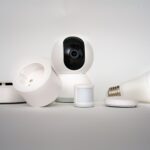

Welcome to the Connected Home of 2026
As of June 2026, the world of home technology has evolved dramatically, making the dream of a truly smart home more accessible and practical than ever. Best smart home gadgets are no longer futuristic novelties; they are integrated tools that enhance convenience, bolster security, and promote energy efficiency in tangible ways.
Last updated: July 10, 2026
Navigating this ever-expanding market can feel overwhelming, with new devices and platforms emerging constantly. This guide cuts through the noise, highlighting the most impactful and user-friendly smart home gadgets that are genuinely improving daily life for homeowners worldwide. We’ll explore solutions that simplify routines, safeguard your property, and even help reduce your utility bills.
Key Takeaways
- Smart home gadgets in 2026 offer practical benefits like enhanced security, energy savings, and simplified daily routines.
- Key categories include smart speakers, lighting, security devices, thermostats, and automation hubs.
- Compatibility and integration are crucial for a smooth smart home experience.
- Beginner-friendly devices and systems are readily available, lowering the barrier to entry.
- Consider your specific needs, budget, and existing infrastructure when selecting gadgets.
Smart Speakers and Displays: Your Home’s Command Centre
At the heart of many smart homes lie voice-controlled assistants and smart displays. Devices like the Amazon Echo Show series and Google Nest Hub provide intuitive voice control for other connected devices, offer information on demand, and serve as visual interfaces for managing your smart home. As of 2026, these assistants have become remarkably adept at understanding natural language, making interactions feel less like commands and more like conversations.
Beyond basic control, they can manage schedules, play music, provide weather updates, and even act as intercoms between rooms. For instance, you can ask your smart display to dim the lights, lock the front door, or show you a live feed from your security camera. However, privacy remains a consideration; users should familiarize themselves with the privacy settings of their chosen assistant to manage data collection and microphone access.
Smart Lighting: Setting the Scene Effortlessly
Smart lighting systems, such as those from Philips Hue or LIFX, offer unparalleled control over your home’s ambiance. These systems allow you to adjust brightness, change colors, and set schedules remotely via a smartphone app or voice commands. This isn’t just about convenience; it’s also a powerful tool for energy saving and security.
Practically speaking, you can program lights to turn on at sunset and off at sunrise, or simulate occupancy when you’re away to deter potential intruders. Smart bulbs and light strips can also be used to create mood lighting for movie nights or dinner parties, transforming the feel of a room instantly. Some advanced systems can even sync with music or movies, though this often requires additional hardware or specific app integrations.
Smart Security: Safeguarding Your Sanctuary
The best smart home gadgets often focus on security, providing peace of mind whether you’re at home or miles away. Smart locks, video doorbells, and security cameras are leading the charge. Devices like the August Wi-Fi Smart Lock or the Ring Video Doorbell allow you to monitor who’s at your door, grant access remotely, and receive alerts for unusual activity.
Modern security cameras, such as those from Arlo or Nest, offer high-definition video, motion detection, and sometimes even facial recognition. The integration of these devices into a cohesive smart home security system provides a strong defense. For example, a smart lock can automatically disarm your security cameras when you enter the correct code, or your video doorbell can trigger smart lights to illuminate your porch when motion is detected after dark. The primary drawback can be subscription fees for cloud storage of video footage, which can add up over time.
Smart Thermostats: Comfort and Savings Combined
Smart thermostats, exemplified by the Nest Learning Thermostat and eco bee Smart Thermostat, are essential for optimizing home comfort while reducing energy consumption. These devices learn your habits and preferences, automatically adjusting the temperature to save energy when you’re away or asleep. According to a 2025 report by the Energy Information Administration, smart thermostat users can see energy savings of 10-15% on their heating and cooling bills.
Installation is generally straightforward, often replacing existing thermostats. Advanced features include remote control via smartphone apps, energy usage reports, and integration with other smart home devices. For instance, a smart thermostat can be programmed to lower the temperature when a smart lock indicates the house is empty, further enhancing efficiency. However, their effectiveness relies on accurate learning algorithms and user input, so initial setup and occasional adjustments are key.
Automation Hubs and Smart Plugs: The Building Blocks of a Connected Home
For a truly integrated smart home experience, an automation hub or a strong Wi-Fi network is often necessary. Hubs like Samsung SmartThings or Habitat act as central controllers, allowing devices that use different communication protocols (like Zigbee or Z-Wave) to work together. This is particularly useful for complex automation routines that involve multiple devices.
Smart plugs are perhaps the simplest entry point into home automation. These small devices plug into a standard outlet, and then your appliance plugs into them. This turns any ‘dumb’ appliance—like a fan, a lamp, or a coffee maker—into a smart one, controllable via an app or voice assistant. They are affordable, easy to set up, and a fantastic way to begin experimenting with connected home technology. A limitation to be aware of is that they only control power delivery; they can’t change the core functionality of the connected device.
Robot Vacuums and Mops: Effortless Cleanliness
Robot vacuums and mops have become increasingly sophisticated, transforming household chores. Models from iRobot (Roomba), Roborock, and Ecovacs now feature advanced navigation, obstacle avoidance, and even self-emptying or self-cleaning capabilities. As of 2026, many high-end models can map your home, allowing you to set no-go zones or schedule cleanings for specific rooms.
These devices save significant time and effort, keeping floors tidy with minimal user intervention. The integration with smart home ecosystems means you can start a cleaning cycle with a voice command or have it automatically clean after you leave the house. The main drawback is their inability to tackle stairs or deep cleaning tasks that require human attention, and some may struggle with very dark or highly reflective surfaces that confuse their sensors.
Smart Kitchen Appliances and Beyond
The smart home trend extends to the kitchen and laundry room, with connected appliances offering new levels of convenience. Smart refrigerators can track inventory, suggest recipes, and even order groceries. Smart ovens allow remote preheating and cooking monitoring. While these appliances represent a significant investment, they can simplify meal preparation and household management.
Beyond major appliances, consider smart garden sensors that monitor soil conditions and watering needs, or smart pet feeders that dispense food on a schedule. The key to a functional smart home is ensuring your chosen gadgets work well together. Look for devices that support common standards like Matter, Wi-Fi, or Bluetooth, and check for compatibility with your existing voice assistant or smart hub. A report from Statista in 2025 indicated that the adoption of smart home devices is projected to continue its upward trajectory, driven by user demand for convenience and efficiency.
Making Your Smart Home Work For You
Choosing the right best smart home gadgets involves considering your personal needs, budget, and technical comfort level. For beginners, starting with a smart speaker and a few smart plugs or lights is an excellent way to explore the benefits without a massive initial investment.
As you become more familiar, you can expand to more complex systems like security or climate control. Prioritize devices that offer strong security features and clear privacy policies. The true value of smart home technology lies in its ability to seamlessly integrate into your life, making everyday tasks simpler and your home more responsive to your needs.
Common Smart Home Gadget Mistakes
One common pitfall is overlooking compatibility. Buying devices that don’t work with your existing ecosystem (e.g., an Apple HomeKit device when you primarily use Alexa) leads to frustration. Another mistake is underestimating the importance of a strong Wi-Fi network; many smart devices rely heavily on a stable internet connection.
Overspending on features you don’t need is also frequent. It’s better to start with essential gadgets and expand gradually. Finally, neglecting security updates for your devices can leave your network vulnerable. Regularly check for and install firmware updates for all your smart home products to maintain optimal security.
Expert Tips for a Smarter Home
When setting up smart lighting, consider creating different ‘scenes’ for various activities – ‘Movie Night’ might dim lights and set a warm hue, while ‘Work Focus’ could provide bright, cool illumination. For smart security, don’t just rely on cameras; a smart smoke detector or carbon monoxide sensor can provide critical alerts to your phone, even when you’re out. For those new to automation, begin with simple routines: have your smart lights turn on at dusk, or your smart plug for the coffee maker activate just before your alarm rings. Practicing good network hygiene, like using a strong, unique password for your Wi-Fi and enabling two-factor authentication on smart home apps, is paramount.
Frequently Asked Questions
What is the easiest smart home gadget for beginners?
The easiest smart home gadget for beginners is typically a smart plug or a smart speaker. Smart plugs let you control existing appliances with your phone or voice, while smart speakers serve as a central control point and information source.
Do smart home gadgets really save money on energy bills?
Yes, many smart home gadgets, particularly smart thermostats and smart lighting, can lead to significant energy savings. They allow for precise control and automation, ensuring energy is used efficiently, not wasted when not needed.
Are smart home gadgets secure?
Smart home gadgets can be secure if properly managed. Manufacturers are improving security, and users can enhance it by using strong passwords, enabling two-factor authentication, and keeping device firmware updated regularly.
What is Matter, and why is it important for smart homes?
Matter is a new connectivity standard designed to make smart home devices from different manufacturers work together seamlessly. It aims to simplify setup and improve interoperability, ensuring greater compatibility across your smart home ecosystem.
How much does it cost to set up a basic smart home system?
A basic smart home system, perhaps including a smart speaker and a few smart plugs or bulbs, can cost as little as £50-£100. The total cost depends on the number and type of devices chosen, with more advanced systems running into hundreds or even thousands of pounds.
Can I control my smart home gadgets without Wi-Fi?
Most smart home gadgets require a Wi-Fi connection to function and be controlled remotely. Some devices might offer limited local control via Bluetooth or a dedicated hub, but full functionality typically depends on internet access.
The Future is Smart and Connected
The best smart home gadgets for 2026 offer a compelling blend of convenience, security, and efficiency. By carefully selecting devices that meet your needs and integrate well, you can transform your house into a responsive, intelligent home that simplifies your daily life. Start small, prioritize compatibility and security, and enjoy the evolving capabilities of the connected home.
Last reviewed: June 2026. Information current as of publication; pricing and product details may change.