
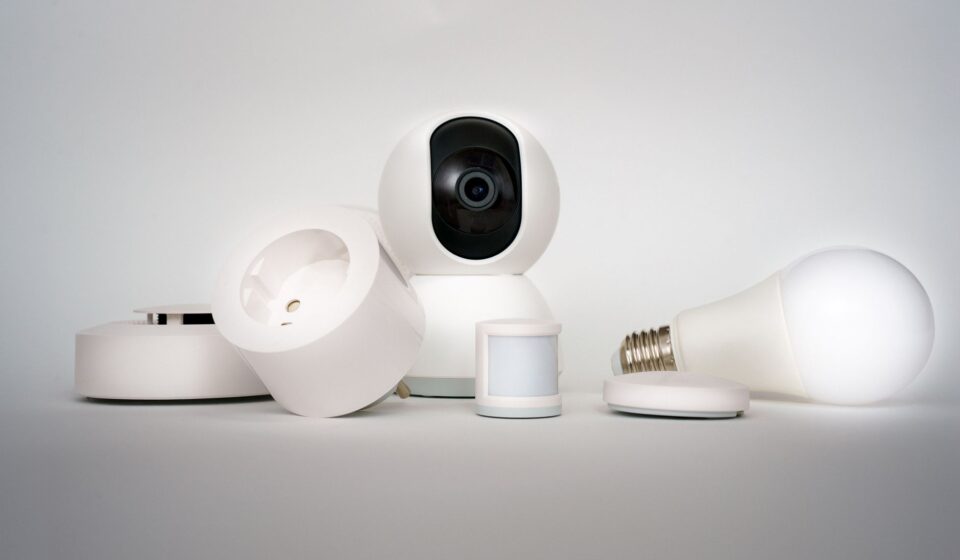
The Smart Home Journey: Getting Started in 2026
Embarking on the journey to a smarter home might seem daunting, but as of July 2026, it’s more accessible than ever. For beginners, the key lies in selecting essential smart home gadgets that offer immediate benefits without overwhelming complexity. These foundational devices are designed to simplify your life, enhance convenience, and introduce you to the world of home automation.
Last updated: July 17, 2026
- Smart plugs are an excellent starting point for automating everyday appliances.
- Smart speakers act as central hubs for voice control and information.
- Smart lighting offers convenience, energy savings, and mood setting.
- Smart thermostats provide significant energy efficiency and cost savings.
- Prioritizing compatibility and ease of use is crucial for beginners.
This guide will walk you through the must-have smart home gadgets for beginners, explaining what they do, why they’re useful, and how they can integrate seamlessly into your daily routine. We’ll focus on devices that offer tangible value from day one, ensuring a smooth and rewarding entry into the connected home ecosystem.
Why Start with Smart Gadgets? The Beginner’s Advantage
For those new to smart home technology, starting with a few well-chosen gadgets offers a low-risk, high-reward approach. Unlike complex, whole-home systems, these individual devices can be installed and managed independently, allowing you to learn at your own pace. Practically speaking, they address common daily needs: turning lights on and off, adjusting the room temperature, or playing music, all with simple voice commands or app control.
The primary advantage for beginners is the immediate impact on convenience and efficiency. A smart plug can turn a regular lamp into a remotely controlled one, while a smart speaker can become your personal assistant for weather updates or setting timers. This gradual adoption strategy prevents the feeling of being overwhelmed and helps you build confidence as you expand your smart home setup.
Smart Plugs: Your Gateway to Automation
Smart plugs are arguably the most accessible and versatile entry point into the smart home world. These small devices plug into any standard wall outlet, allowing you to control whatever is plugged into them via a smartphone app or voice assistant. This means you can turn on or off lamps, fans, coffee makers, or even holiday lights remotely.
What this means in practice is that a traditional appliance becomes ‘smart’ without needing to be replaced. You can schedule your coffee maker to start brewing before you wake up or ensure you haven’t left a curling iron on by checking and switching it off remotely. According to consumer tech reviews from 2025, smart plugs are consistently ranked as one of the most useful and budget-friendly smart home additions for beginners.
Drawbacks to Consider: While incredibly useful, smart plugs do require a stable Wi-Fi network to function. Additionally, some older or very high-power appliances might not be compatible, so always check the wattage rating before purchasing. They also add a small amount of bulk to your existing outlets.
Smart Speakers and Displays: Your Central Command
Smart speakers, like Amazon Echo devices with Alexa or Google Nest devices with Google Assistant, serve as the central hub for many smart homes. They are voice-activated assistants that can play music, answer questions, provide weather forecasts, set timers, and, crucially, control other connected smart devices. Smart displays add a visual element, showing information, streaming video, or displaying camera feeds.
For a beginner, a smart speaker simplifies interaction. Instead of fumbling with multiple apps, you can simply speak your command. For instance, saying “Alexa, turn off the living room lights” or “Hey Google, set the thermostat to 20 degrees Celsius” offers unparalleled convenience. The ability to create routines – a sequence of actions triggered by a single command – further enhances this, allowing you to automate tasks like “Good morning” which could turn on lights, report the news, and start the coffee maker.
Drawbacks to Consider: Privacy is a concern for some users, as these devices are always listening for their wake word. While manufacturers offer privacy controls, it’s a factor to be aware of. Also, their effectiveness relies on a good internet connection and the compatibility of other smart devices with their respective ecosystems (e.g., Alexa, Google Assistant).
Smart Lighting: Convenience, Ambiance, and Energy Savings
Smart lighting solutions, ranging from bulbs to switches and strips, offer a significant upgrade to home convenience and ambiance. These devices allow you to control your lights remotely via an app or voice command, adjust brightness, and even change colors. For beginners, smart bulbs are the easiest way to start.
Imagine being able to turn off all the lights in your home from bed with a single voice command, or scheduling your porch light to turn on at sunset and off at sunrise. This not only adds convenience but also contributes to energy savings. According to a report by the U.S. Department of Energy in 2025, smart lighting can reduce energy consumption by up to 80% when used optimally, thanks to features like dimming and scheduling.
Drawbacks to Consider: While smart bulbs are easy to install, they can be more expensive per bulb than traditional ones. If you have many light fixtures, the cost can add up. Smart switches offer a more integrated solution for multiple lights in a room but require more complex installation, potentially needing an electrician.
Smart Thermostats: Efficiency and Comfort
A smart thermostat is one of the most impactful smart home gadgets for long-term savings and comfort. These devices learn your habits and preferences, automatically adjusting your home’s temperature to optimize energy use when you’re away or asleep, and ensuring comfort when you’re home. Many also allow for remote control via smartphone apps.
From an efficiency standpoint, smart thermostats are game-changers. They can significantly reduce your heating and cooling bills. Research from the Energy Trust of Oregon indicates that programmable and smart thermostats can save homeowners between 10% and 25% on their annual heating and cooling costs. For beginners, the ability to simply set it and forget it, or to adjust the temperature on the fly from anywhere, offers both cost savings and peace of mind.
Drawbacks to Consider: The initial cost of a smart thermostat can be higher than a traditional one. Installation might also be more complex, sometimes requiring professional help, especially if your existing wiring isn’t compatible. They also require a stable Wi-Fi connection to access their full smart features.
Smart Security: Peace of Mind for Beginners
While advanced smart security systems can be intricate, there are beginner-friendly options that provide essential peace of mind. This category includes smart doorbells, simple indoor/outdoor security cameras, and smart locks. These gadgets offer enhanced awareness and control over your home’s security.
A smart doorbell, for instance, allows you to see and speak to visitors at your door from your smartphone, whether you’re at home or miles away. Smart cameras provide live video feeds and motion detection alerts. For beginners, these devices offer a tangible sense of security without the commitment to a full security service subscription. Many offer free basic cloud storage for event-triggered recordings, making them an accessible option.
Drawbacks to Consider: Many smart security devices rely on subscription services for advanced features like extended cloud storage or professional monitoring, which can add to ongoing costs. Battery life for wireless cameras and doorbells can also be a concern, requiring periodic recharging or replacement.
Choosing Your Ecosystem: Compatibility is Key
As you begin to assemble your collection of essential smart home gadgets, understanding compatibility is paramount. Most major smart home ecosystems – primarily Amazon Alexa, Google Assistant, and Apple HomeKit – are designed to work with a wide range of third-party devices. However, not every device works with every ecosystem.
For beginners, it’s often easiest to pick one primary voice assistant or ecosystem (e.g., Amazon Alexa) and choose devices that are explicitly compatible with it. This ensures that your smart plug, smart speaker, and smart lights can all communicate and be controlled from a single app or voice command. Always check the product packaging or description for compatibility logos (e.g., “Works with Alexa”).
Drawbacks to Consider: Committing to an ecosystem early on can limit your future choices if a better device emerges that only works with a different platform. However, for a smooth start, sticking to one ecosystem is generally recommended.
Setting Up Your Smart Home: Practical Steps
Getting your first smart home gadgets up and running is typically straightforward. Most devices follow a similar pattern:
- Download the App: Install the manufacturer’s app for the device on your smartphone or tablet.
- Create an Account: Set up an account with the device manufacturer.
- Connect to Wi-Fi: Follow the app’s instructions to connect the device to your home Wi-Fi network. This usually involves entering your Wi-Fi password.
- Link to Your Ecosystem (Optional but Recommended): In your primary voice assistant’s app (Alexa, Google Home), search for and enable the skill or link the service for your new device. This allows for voice control through your chosen assistant.
- Test and Configure: Test the device’s basic functions and explore its settings for automation, scheduling, or customization.
For example, setting up a Kasa smart plug involves downloading the Kasa app, plugging in the device, and following the in-app prompts to connect it to your Wi-Fi. Once connected, you can link it to your Alexa app, allowing you to say, “Alexa, turn on the fan,” and the plug will activate.
Common Mistakes and How to Avoid Them
Beginners often make a few common errors when first diving into smart home technology. One prevalent mistake is purchasing devices without checking for compatibility with their chosen ecosystem. This can lead to frustration when a new smart bulb can’t be controlled by the smart speaker you already own.
Another frequent pitfall is underestimating the importance of a strong Wi-Fi network. Smart home devices rely heavily on a stable internet connection. If your Wi-Fi is weak or prone to dropping, your smart devices will likely suffer from connectivity issues. Investing in a good quality router or mesh Wi-Fi system can prevent many headaches.
Solution: Always verify compatibility before buying. For Wi-Fi, consider running speed tests in the areas where you plan to place your smart devices. If coverage is spotty, a Wi-Fi extender or mesh system might be necessary.
Expert Insights for New Smart Home Users
From an expert perspective, the most valuable advice for beginners is to start small and scale gradually. Don’t feel pressured to automate your entire home at once. Instead, identify one or two areas where smart technology can make the biggest difference in your daily life – perhaps convenience with lighting and entertainment, or savings with a smart thermostat.
Another tip is to consider the longevity and support of the brands you choose. While budget-friendly options are appealing, investing in devices from reputable manufacturers often means better software updates, longer product support, and easier integration with future devices. According to industry analysts as of 2026, brands with a consistent track record for software support tend to offer a more reliable long-term smart home experience.
Frequently Asked Questions
What is the easiest smart home gadget for a beginner?
Smart plugs are widely considered the easiest smart home gadget for beginners. They require minimal setup, work with a wide range of common appliances, and offer immediate benefits like remote control and scheduling without complex configuration.
Do I need a smart home hub to start?
Not necessarily. Many essential smart home gadgets, like smart plugs and bulbs, can connect directly to your Wi-Fi network and be controlled via their own app. Smart speakers often act as de facto hubs, but a dedicated hub isn’t required for a basic setup.
How much does it cost to start a smart home for beginners?
You can start building a basic smart home for under £100/$100. A smart plug might cost around £15-£30, a smart bulb about £10-£25, and a basic smart speaker can often be found for £40-£70. Prices vary, but starting small keeps initial costs manageable.
Can I control my smart home gadgets with my voice?
Yes, voice control is a core feature of most smart home setups. By using a smart speaker or smart display with a voice assistant like Alexa or Google Assistant, you can control compatible devices simply by speaking commands.
What happens to my smart home gadgets if my internet goes out?
This depends on the device. Some functions, like scheduling set within the device itself, might still work. However, most remote control, voice commands, and app-based controls will cease to function without an internet connection.
Are smart home gadgets secure?
Smart home gadget security varies by manufacturer. Reputable brands invest in encryption and security protocols. It’s crucial to use strong, unique passwords for your Wi-Fi network and smart home accounts, and to keep device firmware updated to patch vulnerabilities.
Your Smart Home Future Starts Now
Building a smart home doesn’t require a massive initial investment or technical expertise. By focusing on essential smart home gadgets for beginners, you can gradually introduce technology that enhances convenience, efficiency, and security. Start with a smart plug, a smart speaker, or smart lighting, and build from there. The journey into home automation is an exciting one, and these fundamental devices are your perfect first step.
Last reviewed: July 2026. Information current as of publication; pricing and product details may change.
Related read: Practical Uses for Augmented Reality in 2026: Beyond the Hype