
What is Lifestyle Photography?
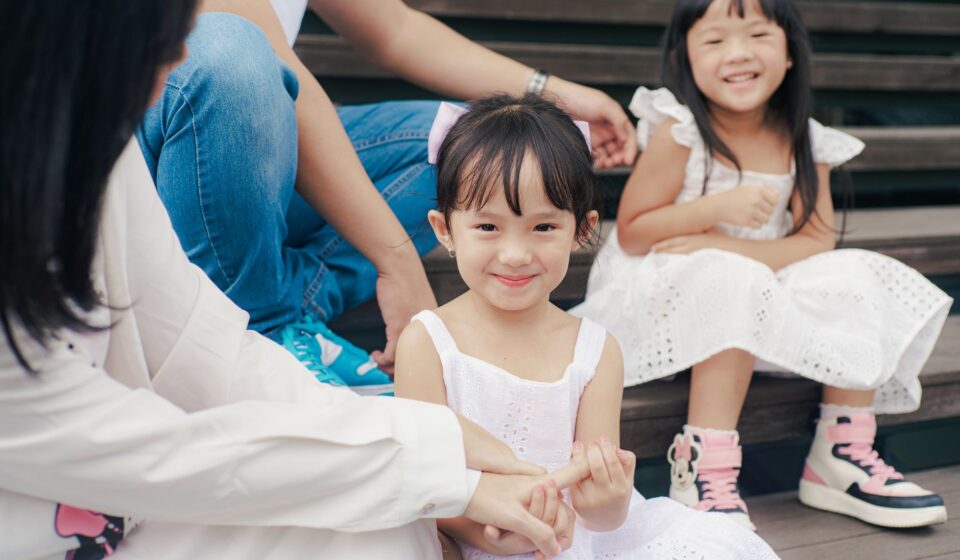
Lifestyle photography is an art form that focuses on capturing real, unscripted moments and authentic storytelling in people’s everyday lives. Unlike traditional posed portraits, this genre immerses the photographer within the subject’s environment, seeking to document genuine interactions, emotions, and the unique narrative of their existence. As of September 2026, its appeal lies in its relatability and its ability to preserve memories as they truly happened.
Last updated: September 14, 2026
In essence, lifestyle photography is about showcasing people in their natural habitat, engaging in their typical activities, and expressing their true selves. It’s a departure from stiff poses and artificial smiles, aiming instead for spontaneity and genuine connection.
Key Takeaways
- Lifestyle photography captures authentic, unscripted moments of everyday life.
- It focuses on genuine interactions and emotions rather than posed shots.
- The goal is to tell a story through relatable, natural imagery.
- It can encompass families, individuals, couples, and even brands in their natural settings.
- Mastering this style requires observation, patience, and a knack for creating comfortable environments.
Latest Update (September 2026)
The influence of artificial intelligence on visual trends is becoming increasingly apparent. Recent reports from outlets like Hindustan Times and The Economic Times in September 2026 highlight a growing fascination with AI-generated retro photo styles, particularly the ’80s trend. While these AI tools can create stylized images, they often capture a generalized aesthetic rather than the specific nuances of real-life locations and cultures, as noted by The Economic Times when discussing Bollywood versus real Mumbai imagery. This development indirectly underscores the enduring value of authentic lifestyle photography, which by definition, prioritizes genuine moments and environments over digitally constructed ideals.
Furthermore, the demand for relatable brand storytelling continues to grow. As reported by expatliving.sg on September 9, 2026, family photographers are actively sought for authentic photoshoot experiences. This indicates a broader market trend where consumers, whether individuals or brands, are looking for imagery that reflects genuine life experiences and connections, further cementing the relevance of the lifestyle photography approach in 2026.
The Essence of Authenticity
The core of lifestyle photography is authenticity. It’s about reflecting reality, not creating an idealized version of it. This means embracing imperfections, capturing fleeting glances, and documenting the quiet, beautiful moments that often go unnoticed.
Think of a family sharing a meal, a couple reading together on a Sunday morning, an artist lost in their creative process, or a business owner passionately working in their studio. These are the scenes lifestyle photographers strive to capture, preserving them with a sense of truth and immediacy.
Beyond Posed Portraits: The Difference is Clear
Traditional portrait photography often involves carefully arranged poses, controlled lighting, and directed interactions. While it serves its purpose, lifestyle photography offers a different experience. The photographer acts more like an observer, blending into the background to capture the genuine flow of life.
This approach fosters a more relaxed atmosphere for the subjects. They can be themselves, interact naturally, and forget they are being photographed, leading to more spontaneous and meaningful images. According to the Professional Photographers Association (PPA) (as of 2025 data), client demand for authentic imagery has seen a significant rise, driving the popularity of lifestyle approaches.
Varied Expressions: Types of Lifestyle Photography
Lifestyle photography isn’t a one-size-fits-all genre. It adapts to various subjects and contexts, each with its unique flavor:
Family Lifestyle Photography
This is perhaps the most popular form, focusing on capturing families in their natural environment – at home, during outings, or participating in everyday activities. It documents the unique dynamics, love, and connections within a family unit. These sessions often feel more like a day spent together than a formal photoshoot.
Couple Lifestyle Photography
Similar to family lifestyle, this captures the authentic relationship between couples. It might involve a cozy at-home session, a walk in the park, or enjoying a shared hobby, showcasing their genuine bond. The emphasis is on their connection and shared experiences, not forced romantic poses.
Newborn Lifestyle Photography
Instead of studio setups, newborn lifestyle sessions happen in the family’s home. The focus is on capturing the raw, tender moments of new parenthood, the connection between parents and baby, and the early, fleeting days of a child’s life. It documents the reality of a new family dynamic.
Brand and Commercial Lifestyle Photography
Businesses increasingly use lifestyle photography to connect with consumers on a more personal level. This involves showcasing products or services within relatable, everyday scenarios, making the brand feel more accessible and human. For instance, a sportswear brand might photograph athletes using their gear in real-world training environments, not just sterile studios.
This approach helps consumers envision themselves using the product or service in their own lives. As of September 2026, brands are investing heavily in this type of authentic visual marketing to build trust and relatability with their target audiences. This aligns with a broader trend where consumers are seeking genuine connections with the companies they support.
Key Elements of a Compelling Lifestyle Photograph
Several factors contribute to a successful lifestyle photograph that resonates with viewers:
Natural Light
Lifestyle photographers often favor natural light, as it creates a softer, more authentic mood than artificial studio lighting. Window light is a common favorite. The way light interacts with the environment and subjects adds a layer of realism.
Genuine Emotion
Capturing smiles, laughter, thoughtful expressions, or even moments of quiet reflection adds depth and relatability. These emotions are the heart of storytelling in lifestyle photography.
Environmental Context
The surroundings play a crucial role. Whether it’s a cozy living room, a bustling park, or a professional workspace, the environment tells part of the story. It grounds the subjects in their reality.
Authentic Interaction
Observing and documenting how subjects interact with each other and their environment is paramount. This is where the candid nature shines, revealing true relationships and dynamics.
Storytelling
Each image should hint at a larger narrative, inviting the viewer to imagine the context and the lives of the subjects. A compelling lifestyle photograph captures a moment that feels like a still from a larger, unfolding story.
According to a 2025 survey by the Association of Photographers, 70% of clients seeking portrait services expressed a preference for naturalistic, unposed styles. This indicates a strong and growing market demand for lifestyle photography’s authentic approach.
Mastering the Art: Tips for Capturing Lifestyle Moments
For aspiring lifestyle photographers, or even those wanting to improve their personal snapshots, these tips can be invaluable:
1. Build Rapport
Connect with your subjects. The more comfortable they are with you, the more natural their behavior will be. Spend time chatting, getting to know them, and explaining your approach without making them feel scrutinized. Building trust is fundamental.
2. Observe and Anticipate
Be patient and observant. Watch for genuine interactions and anticipate moments before they happen. Sometimes the best shots are not posed but are caught in the blink of an eye. Developing this foresight is key.
3. Embrace the Environment
Use the location to your advantage. Incorporate elements of the subject’s surroundings into your frame to provide context and add visual interest. Don’t be afraid of clutter if it’s part of their real life; it adds character.
4. Use Natural Light Wisely
Position your subjects near windows or in well-lit areas. Understand how light falls and creates mood. Soft, diffused light is often ideal for a flattering and natural look. Experiment with different times of day.
5. Focus on Details
Don’t just focus on the wide shots. Capture the small, intimate details that tell a story – hands holding, a child’s drawing on the fridge, a pet’s favorite spot. These details add depth and personality to your collection.
6. Be Flexible and Adaptable
Life is unpredictable, especially with families and children. Be prepared to adapt your plan on the fly. If a spontaneous moment arises, be ready to capture it, even if it deviates from your original shot list.
7. Equip Yourself Appropriately
While fancy gear isn’t essential, having the right tools helps. A versatile prime lens (like a 50mm or 85mm) or a zoom lens that allows for flexibility in framing without being intrusive is beneficial. Understanding your camera settings for various lighting conditions is also crucial.
The Role of Technology in Lifestyle Photography
While the essence of lifestyle photography is authenticity, technology plays an evolving role. Modern cameras offer improved low-light performance and autofocus capabilities, enabling photographers to capture moments in challenging environments. Editing software allows for subtle enhancements to color, contrast, and sharpness, refining the captured moments without altering their genuine nature.
However, as seen in the September 2026 AI photo trend discussions, there’s a distinction between enhancing reality and fabricating it. The ethical use of technology in lifestyle photography involves using tools to best present the authentic moments, rather than to create artificial scenes. The goal remains to tell a true story, enhanced by technology, not replaced by it.
Frequently Asked Questions
What makes lifestyle photography different from documentary photography?
Lifestyle photography often has a specific client or purpose, like family portraits or brand marketing, and may involve some direction to achieve a certain aesthetic. Documentary photography aims for a more objective, uninfluenced record of events as they unfold, with minimal photographer intervention.
Do I need a professional photographer for lifestyle shots?
Not necessarily. While professionals bring expertise in lighting, composition, and client interaction, you can capture great lifestyle moments with a smartphone or basic camera by focusing on natural light, genuine interactions, and storytelling.
How much does a lifestyle photoshoot typically cost as of 2026?
Costs vary widely based on location, photographer experience, and session length. As of September 2026, professional lifestyle sessions can range from $300 to $1,500 or more. Some photographers offer mini-sessions at lower price points.
What should I wear for a lifestyle photoshoot?
Choose comfortable clothing that reflects your personality and style. Coordinate colors rather than matching perfectly. Avoid busy patterns or large logos that can distract from the subject. The goal is to look and feel natural.
How long does a typical lifestyle session last?
Lifestyle sessions are often longer than traditional studio shoots to allow subjects to relax and engage naturally. Sessions commonly last between 1 to 3 hours, depending on the type of photography (e.g., newborn sessions may extend longer).
Conclusion
Lifestyle photography in 2026 continues to thrive because it offers a powerful antidote to the curated perfection often seen online. By focusing on authenticity, genuine emotion, and the beauty of everyday life, it creates images that are not only visually appealing but deeply resonant and meaningful. Whether for families, couples, or brands, this genre provides a timeless way to preserve stories and connections as they truly are.