
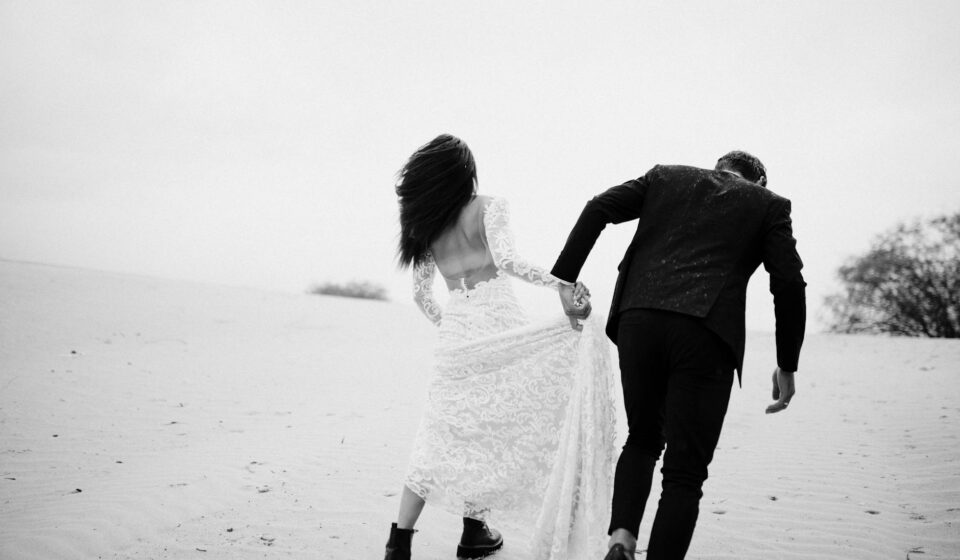
iends after the fact, or even inviting a select few very close individuals, rather than a complete lack of disclosure.
Last updated: May 22, 2026
From a different angle, the term ‘elopement’ in contemporary usage often overlaps with ‘destination wedding’ or ‘micro-wedding’, yet retains a distinct flavour. While a destination wedding might still be a large affair in an exotic locale, an elopement is typically defined by its intimacy. It’s about prioritising the couple’s experience above all else, often stripping away external pressures and obligations.
The Driving Forces: Why Do Couples Choose to Elope?
The decision to elope is rarely a spur-of-the-moment whim; it’s usually a considered choice driven by a variety of factors. Understanding these motivations is key to grasping the modern appeal of eloping.
Personal Connection and Intimacy
Perhaps the most significant driver is the desire for an intensely personal and intimate ceremony. For many, a large wedding feels performative, distracting from the core reason for the event: the union of two people. Eloping allows couples to focus entirely on each other, their vows, and their commitment without the pressure of entertaining hundreds of guests or adhering to social expectations. It creates a profound, shared experience that’s uniquely theirs.
Avoiding Wedding Stress and Drama
The planning and execution of a traditional wedding can be notoriously stressful. From managing family dynamics and differing opinions to coordinating vendors and logistics, the process can become overwhelming. Eloping bypasses most of this stress. There are fewer decisions to make, fewer people to please, and a dramatically simplified logistical chain. This reduction in pressure allows couples to enjoy the engagement period and the wedding day itself with greater peace of mind.
Financial Prudence
The cost of a traditional wedding can be prohibitive. According to various wedding industry reports from 2025, the average cost of a wedding in many Western countries can easily exceed £20,000, with larger guest lists inflating this figure significantly. Eloping offers a substantial financial saving. While not always ‘cheap’ – destination elopements can be costly – it’s almost invariably less expensive than a large-scale event. Couples can allocate their budget towards a down payment on a home, a honeymoon, or other life goals, rather than a single day’s event.
Simplicity and Spontaneity
Some couples simply prefer a minimalist approach to life and their wedding. They may not desire a large celebration, preferring a straightforward, uncomplicated ceremony. Eloping also allows for spontaneity. A courthouse wedding on a Tuesday, a quick ceremony during a holiday, or an impromptu vow exchange on a scenic overlook can be incredibly romantic and liberating for those who value flexibility.
Focus on Adventure and Experience
For the adventurous couple, eloping can be an opportunity to incorporate their shared passion for travel and exploration. Many choose to elope in breathtaking natural settings, combining their wedding with a once-in-a-lifetime trip. This transforms the wedding day into an unforgettable adventure, creating memories that extend far beyond the ceremony itself.
Family Dynamics and Difficult Relationships
In some situations, couples may choose to elope to avoid family conflict, navigate difficult relationships, or exclude estranged family members. While this can be a sensitive reason, it allows the couple to proceed with their marriage in a way that feels safe and comfortable for them, without the emotional toll of navigating strained family dynamics on their wedding day.
Eloping for Unique Circumstances
Occasionally, couples might elope due to unique circumstances, such as military deployment, health concerns, or to meet visa requirements for international partners. In these cases, eloping ensures they can formalise their union promptly without the delays or complexities associated with a larger event.
Practically speaking, the decision to elope is a personal one, driven by a combination of these factors. It reflects a desire for authenticity and a focus on what truly matters to the couple.
Creative Elopement Ideas for 2026
The notion of eloping doesn’t mean sacrificing romance or personal meaning. In fact, it often allows for greater creativity and personalisation. Here are some popular and evolving elopement styles for 2026:
The Adventurous Elopement
This style is for couples who crave adventure. Think exchanging vows at the summit of a mountain after a challenging hike, in a remote desert landscape, or during a kayaking trip to a secluded cove. It’s about integrating the wedding into an activity the couple loves.
The Destination Elopement
Choosing a location that holds special meaning or is simply breathtakingly beautiful. This could be a picturesque European city, a tropical beach, a cosy cabin in the woods, or a national park. Many vendors now specialise in destination elopement packages.
The Minimalist/Courthouse Elopement
The simplest form often involves a quick civil ceremony at a registry office or courthouse, followed by a nice meal or a relaxed celebration. It’s efficient, cost-effective, and focuses purely on the legal and personal commitment.
The Luxury Elopement
This is not about budget constraints but about a high-end, curated experience. It might involve a stay at a five-star resort, a private chef, a bespoke gown, and a professional photographer capturing every moment, all for a select few or just the couple.
The Themed Elopement
Couples can infuse their elopement with a theme that reflects their personalities or shared interests. This could be a vintage-inspired elopement, a whimsical fairy-tale setting, or even a celebration themed around a favourite book or film.
The ‘Just Us’ Elopement
This is the quintessential elopement – the couple, perhaps an officiant and a photographer, and nothing else. It’s the purest expression of a private commitment, often in a location that’s meaningful to them, whether it’s their local park or an iconic landmark.
The ‘Elopement Plus’ or Intimate Wedding
This is a modern variation where a few of the most important people (parents, siblings, best friends) are invited. It’s a small, intimate gathering that retains the spirit of an elopement while allowing a tiny circle of loved ones to share the moment.
How to Plan an Elope Wedding: A Step-by-Step Guide
While eloping simplifies many aspects of wedding planning, it still requires careful consideration and organisation. Here’s a practical guide to planning your elope wedding:
- Define Your ‘Why’: Start by discussing with your partner why you want to elope. Is it for cost, intimacy, stress reduction, or adventure? Your primary motivation will guide all subsequent decisions.
- Set a Budget: Even elopements have costs. Determine how much you’re willing to spend. This will influence your location, attire, photography, and any other elements. Florida elopement packages, for instance, can range from approximately $790 for a basic ceremony to $6,000 for a more complete package, as seen in May 2026 listings.
- Choose Your Location: This is often the most exciting part. Consider the type of environment you envision: a beach, mountains, a city, a forest, or even your own backyard. Research destinations that appeal to you and check their elopement suitability.
- Select a Date: While elopements can be spontaneous, having a date provides a target. Consider seasonality, travel times, and any specific anniversaries or dates that are meaningful to you.
- Research and Book Key Vendors: Depending on your elopement style, you might need an officiant, a photographer, a florist, or a planner. Book these essential vendors well in advance, especially for popular destinations or peak seasons. A good photographer is crucial for capturing the moment, as many elopements lack a large audience to witness it.
- Understand Legal Requirements: This is critical. Research the marriage licence requirements for your chosen location. This typically involves age restrictions, waiting periods, and required documentation. For example, obtaining a marriage licence in Florida typically costs around $86.50 and requires proof of identity and social security numbers. Some states have shorter waiting periods than others.
- Choose Your Officiant: Ensure you have a legally recognised officiant if required by law in your chosen jurisdiction. This could be a civil celebrant, a religious minister, or a registered officiant.
- Select Your Attire: You can opt for a traditional wedding gown and suit, or choose something more casual that suits your elopement style and location. Comfort and practicality might be key considerations for adventurous elopements.
- Plan the Ceremony: Even a simple elopement needs structure. Write your vows, decide on any readings or rituals, and communicate your vision to your officiant and photographer.
- Inform (or Don’t Inform) Your Loved Ones: Decide who, if anyone, you want to be present or informed. You might tell your families beforehand, ask them to keep it a surprise, or plan to announce it after you are married.
- Confirm Logistics: Double-check travel arrangements, accommodation, and vendor confirmations. Have a backup plan for weather or unforeseen circumstances, especially for outdoor ceremonies.
- Enjoy Your Day: The most important step! Relax, be present, and savour this incredibly personal moment with your partner.
Elope vs. Traditional Wedding: A Comparative Analysis
The decision between eloping and having a traditional wedding often boils down to priorities regarding cost, stress, and personal experience. While both lead to marriage, the journey and outcome differ significantly.
Cost Considerations
Eloping: Generally more budget-friendly. Costs can range from a few hundred pounds for a simple courthouse ceremony to several thousand for a destination elopement with professional services. For instance, many Florida beach elopement packages in 2026 are advertised in the £1,000-£3,000 range. The primary savings come from reducing guest count and skipping elaborate receptions.
Traditional Wedding: Significantly more expensive. Average costs in many regions hover around £20,000-£30,000, heavily influenced by guest numbers, venue, catering, and entertainment. A wedding for 100 guests can easily cost double that for 50 guests.
Stress Levels
Eloping: Considerably less stressful. Fewer decisions, less coordination, and no need to manage guest expectations. The focus remains on the couple.
Traditional Wedding: High potential for stress. Managing vendors, guest lists, family opinions, seating charts, and tight schedules can be overwhelming.
Guest Experience vs. Couple’s Experience
Eloping: Prioritises the couple’s experience and intimacy. Guests are minimal or non-existent.
Traditional Wedding: Focuses on celebrating with a wider circle of friends and family, making them feel included and entertained.
Formality and Celebration
Eloping: Typically informal, often focused on the ceremony itself, possibly followed by a private dinner or a honeymoon. It might lack a large party or reception.
Traditional Wedding: Involves a formal ceremony, reception, dancing, speeches, and a more elaborate celebration for all attendees.
Family Involvement and Expectations
Eloping: May involve less family input, potentially leading to disappointment from relatives who wanted to share in the traditional celebration. As reported by WGAL on May 13, 2026, even children can ‘elope’ from school, highlighting the term’s association with running off, which can cause concern. Similarly, news from Edmonton Journal on May 14, 2026, mentioned a lottery winner considering to ‘elope now,’ suggesting an impulsive, private decision.
Traditional Wedding: Offers ample opportunity for family involvement, often fulfilling parental or familial expectations for a significant life event.
Personalisation and Uniqueness
Eloping: Offers immense scope for unique, personalised experiences tailored exactly to the couple’s desires. The entire event can be shaped by their preferences.
Traditional Wedding: While personal touches are possible, they often operate within established frameworks and expectations of what a wedding ‘should’ be.
What this means in practice is that the choice between eloping and a traditional wedding is a trade-off. Couples must weigh what aspects of a wedding are most important to them: is it the shared experience with many loved ones, or the deeply personal, stress-free union with their partner?
Dream Destinations: Where to Elope
The world is your oyster when it comes to choosing a destination to elope. The best location depends entirely on your preferences, budget, and desired atmosphere. Here are some popular and emerging elopement destinations as of May 2026:
Iconic Natural Wonders
National Parks (USA): Places like Zion, Yosemite, and Banff offer dramatic backdrops. Permits are often required, and regulations vary, so research is essential.
Iceland: Known for its dramatic landscapes – waterfalls, glaciers, black sand beaches, and the Northern Lights. It offers a sense of otherworldly romance.
The Scottish Highlands: Rugged mountains, ancient castles, and dramatic coastlines provide a mystical and romantic setting.
Costa Rica: Lush rainforests, stunning beaches, and incredible biodiversity offer a tropical adventure elopement.
Romantic City Escapes
Paris, France: The quintessential city of love, offering iconic landmarks like the Eiffel Tower and charming cobblestone streets.
Venice, Italy: Gondola rides, historic canals, and stunning architecture create an undeniably romantic atmosphere.
Santorini, Greece: Famous for its whitewashed villages, blue-domed churches, and breathtaking caldera views.
Secluded Beaches
Many coastal regions worldwide offer idyllic beaches. For example, specific Florida beach elopement packages are readily available, catering to couples seeking sun, sand, and surf. Locations like Siesta Key or Siesta Key are popular choices, with various packages ranging from approximately $500 to over $2,000, according to industry listings.
Cosy and Quaint Retreats
Tuscany, Italy: Rolling hills, vineyards, and rustic farmhouses offer a charming, intimate setting.
The Cotswolds, UK: Picturesque villages and rolling countryside provide a quintessentially English romantic backdrop.
When selecting a destination, consider:
- Legalities: Can you legally marry there? Do you need to be a resident? What are the marriage licence requirements?
- Travel and Accommodation: How will you get there? What are the costs and logistics involved?
- Vendors: Are there experienced elopement vendors (photographers, officiants) available locally?
- Seasonality: What will the weather be like? Is it peak tourist season?
A destination elopement can be a significant undertaking, but with thorough research, it promises an unforgettable start to married life.
Navigating the Legalities: Marriage Licences and Officiants
While the spirit of eloping is often about freedom and spontaneity, navigating the legal requirements for marriage is non-negotiable. Failing to meet these can invalidate your union.
Marriage Licences
Every jurisdiction has its own rules for obtaining a marriage licence. In many US states, for example, you must obtain the licence in the county where you intend to marry and wait a specific period (e.g., 3 days in California, 72 hours in Florida for non-residents) before the ceremony can take place. Some states, like Colorado, have no waiting period, making them popular for spontaneous elopements.
You will typically need to provide proof of identity (passport, driving licence), proof of age (birth certificate), and potentially divorce decrees if either party has been previously married. As of May 2026, the cost of a marriage licence varies widely, from around $30 in some US states to over $100 in others. In Florida, the fee is around $86.50, with potential discounts for premarital courses.
Officiants
A marriage ceremony must be legally solemnised by an authorised officiant. This could be a judge, a justice of the peace, a registered religious minister, or a civil celebrant. In some locations, like certain states in the US or specific countries, you might need witnesses present. Ensure your officiant is legally recognised in the jurisdiction where you are getting married.
International Elopements
Marrying abroad adds another layer of complexity. You’ll need to research the marriage laws of the foreign country, which can differ drastically from your home country. Some countries require you to be a resident for a certain period, while others have specific documentation requirements for non-citizens. It’s often easier to have a symbolic ceremony abroad and complete the legal marriage in your home country before or after your trip. Always consult with the embassy or consulate of your chosen destination for the most accurate and up-to-date information.
According to the U.S. Department of State, requirements for Americans marrying abroad vary by country. For instance, marrying in France requires specific documentation and adherence to French civil law, often necessitating a civil ceremony at the local Mairie (town hall) before any religious or symbolic ceremony.
Common Mistakes Couples Make When Eloping
While eloping streamlines wedding planning, couples can still stumble. Avoiding these common pitfalls can ensure your elopement is smooth and joyful.
Forgetting Legalities
The most significant mistake is assuming eloping means bypassing all legal requirements. Couples must still obtain a valid marriage licence and ensure their ceremony is performed by a legally recognised officiant. Overlooking this can lead to an invalid marriage.
Underestimating Costs
While cheaper than a traditional wedding, eloping isn’t always free. Flights, accommodation, attire, photography, and vendor fees can add up, especially for destination elopements. Failing to budget adequately can lead to financial strain.
Ignoring Guest Feelings (If Applicable)
If you choose to tell family and friends before or after, be prepared for potential disappointment or questions. While your elopement is about you, maintaining relationships might require sensitive communication. Buzzfeed reported on “32 Weddings Stories That Are Soooooo Out-Of-This-World Bananas, They Might Just Make You Want To Elope” (May 18, 2026), suggesting that while eloping can be a relief, the stories often highlight the dramatic departure from societal norms.
Lack of Photography/Videography
Since many elopements are just the couple, capturing the memories is paramount. Many couples regret not hiring a professional photographer or videographer to document their special day, especially if it’s in a unique or remote location.
Not Having a Plan B
Outdoor elopements are beautiful but vulnerable to weather. Not having a contingency plan for rain, wind, or other adverse conditions can lead to a stressful or ruined experience.
Over-Simplifying the Ceremony
While simplicity is a goal, completely skipping the ceremony structure can feel anticlimactic. Even a short, personalised ceremony with heartfelt vows makes the commitment feel more profound and memorable.
Choosing a Location Based Solely on Aesthetics
A stunning location is important, but practicality matters too. Consider accessibility, permits, privacy, and weather conditions. A place that looks great in photos might be difficult to reach or unsuitable for a ceremony.
What this means in practice is that careful planning, even for a simple event, is crucial. The joy of eloping comes from intentionality, not just avoidance.
Expert Tips for a Memorable Elope Ceremony
To ensure your elopement is everything you dreamed of, consider these expert tips:
Invest in a Great Photographer
This is arguably the most important vendor for an elopement. They don’t just take pictures; they capture the emotion, the setting, and the story. Look for photographers experienced in elopements and adventurous shoots.
Write Meaningful Vows
Your vows are the heart of the ceremony. Take the time to write personal, heartfelt promises that reflect your relationship and commitment. Even if it’s just for the two of you, these words will be cherished.
Consider a Symbolic Ritual
Beyond vows, incorporate a symbolic act that’s meaningful to you as a couple. This could be a handfasting, a unity candle, planting a tree, or even a toast with a special drink. It adds depth and visual interest to the ceremony.
Scout Your Location
If possible, visit your chosen elopement spot beforehand to check for privacy, accessibility, and the best spots for the ceremony and photos. If you can’t visit, rely on detailed photos and virtual tours.
Pack Appropriately
For adventurous elopements, ensure you have the right gear – sturdy shoes, layers for changing weather, and any necessary supplies for your chosen activity. For more formal elopements, ensure your attire is comfortable and suits the venue.
Have a Post-Ceremony Celebration
Even a simple elopement deserves a celebration. Plan a special dinner, a scenic picnic, or a night in a beautiful hotel. It’s a way to mark the occasion and savour the moment.
Communicate Your Vision
Clearly communicate your desires and priorities to your officiant and photographer. Ensure they understand the atmosphere and style you are aiming for.
Embrace Imperfection
The beauty of eloping lies in its authenticity. Don’t stress over minor details. If a bird flies by during your vows or the wind tousles your hair, embrace it – it’s part of your unique story.
Practically speaking, a perfectly planned elopement still embraces spontaneity and personal connection, ensuring the day is meaningful and memorable for the couple.
Frequently Asked Questions About Eloping
What is the primary meaning of ‘elope’?
The core meaning of ‘elope’ is to run away secretly to get married, often without the knowledge or consent of parents or family. It implies a clandestine departure driven by a desire to marry.
Can you elope without telling anyone?
Yes, many couples choose to elope entirely in secret, informing family and friends only after they are legally married. This is the most traditional interpretation of eloping.
What are the legal requirements to elope?
You must obtain a marriage licence in the jurisdiction where you plan to marry, meet age and residency requirements, and have the ceremony performed by a legally recognised officiant. Requirements vary by location.
How much does it typically cost to elope?
Costs vary dramatically. A simple courthouse elopement can cost a few hundred pounds, while a destination elopement with professional services might range from £1,000 to £6,000 or more, depending on location and inclusions.
Is eloping selfish?
Whether eloping is perceived as selfish depends on individual perspectives. Some families may feel excluded, while others understand and respect the couple’s desire for a private, intimate ceremony.
Can I have a few guests at my elopement?
Absolutely. The modern definition of eloping allows for flexibility. You can have a few key family members or friends present for a very intimate ceremony, blurring the lines with a micro-wedding.
What are the main advantages of eloping?
The main advantages include significant cost savings, reduced stress compared to planning a large wedding, a focus on the couple’s intimacy and connection, and the opportunity for adventure or unique experiences.
Last reviewed: May 2026. Information current as of publication; pricing and product details may change.
Editorial Note: This article was researched and written by the Great Magazine editorial team. We fact-check our content and update it regularly. For questions or corrections, contact us.
Related read: How to Lifestyle Blog: Your 2026 Blueprint for Success
Related read: How to Lifestyle Change: Create Lasting Habits in 2026