
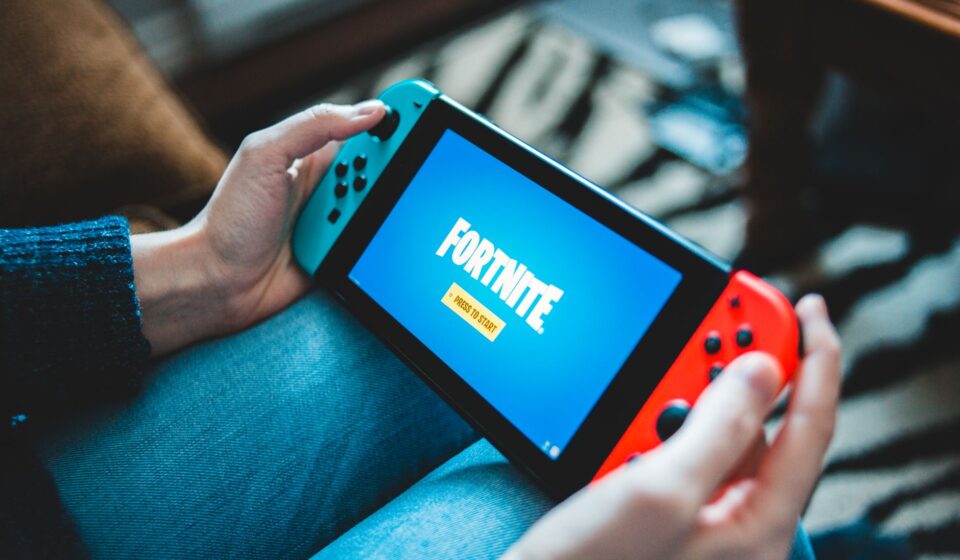
Understanding Nintendo Switch ROMs in 2026
As of July 2026, the topic of Nintendo Switch ROMs continues to draw significant interest from gamers worldwide. A ROM, or Read-Only Memory, is fundamentally a digital copy of game data. This allows games to be played on hardware other than their original console, typically through emulator software.
Last updated: July 16, 2026
The idea of playing your favorite Switch titles on a PC or mobile device holds considerable appeal. However, the world of Nintendo Switch ROMs is intricate. It involves complex legal considerations, technical challenges, and potential security risks. This guide provides an updated overview for gamers in 2026, explaining what Switch ROMs are, the underlying technology, legal implications, and responsible usage practices.
Latest Update (July 2026)
Recent legal developments in 2026 have significantly impacted the emulation scene. Notably, Nintendo secured a major victory in a lawsuit against developers of popular Switch emulators, leading to the shutdown of some key platforms. As reported by LawFold.com on July 11, 2026, these legal actions underscore Nintendo’s commitment to protecting its intellectual property and signal a stricter enforcement environment for unauthorized distribution of game ROMs.
This ruling, detailed by LawFold.com, reinforces the principle that distributing copyrighted game data without authorization is illegal. While the legal status of emulators themselves can be nuanced, the act of acquiring and sharing ROMs for games you do not own remains a clear violation of copyright law in most jurisdictions. This ongoing legal scrutiny means users must be exceptionally cautious about the sources of their ROM files.
What Exactly Are Nintendo Switch ROMs?
A Nintendo Switch ROM file is a digital replica of the data found on a physical game cartridge or a digital download. These files encapsulate all the game’s code, graphical assets, and operational information. This packaging allows emulator programs to interpret and run the game.
The primary formats encountered for Switch ROMs are NSP (Nintendo Submission Package) and XCI (an older format from cartridge dumps). NSP files are generally associated with digital game installations, updates, and DLC. XCI files represent a more direct dump of the physical cartridge data. Familiarity with these formats is essential for ensuring compatibility with different emulator applications.
How Nintendo Switch Emulation Works
Emulation involves a software program mimicking the functionality of a specific hardware system. For Nintendo Switch emulation, this means software on a PC or other device replicates a Switch console. This allows the emulator to load and execute Nintendo Switch ROM files.
While prominent emulators like Yuzu and Ryujinx, which faced legal challenges and ceased operations in 2026, offered insights into the technical possibilities, they also highlighted the inherent difficulties. These emulators worked by translating the Switch’s unique hardware commands and software instructions into formats understandable by the host computer. This process demands considerable processing power and advanced programming to achieve playable performance.
Achieving smooth emulation often requires high-end PC hardware. The performance is directly tied to the host device’s CPU, GPU, and RAM. Some games might run nearly flawlessly, while others may exhibit graphical artifacts, audio distortions, or significantly reduced frame rates. Independent tests by tech publications in early 2026 indicated that even top-tier hardware struggled with consistent performance across the entire Switch library.
The Complex Legal World of Switch ROMs
The legality surrounding Nintendo Switch ROMs is a contentious and legally complex area, primarily governed by copyright law. Downloading ROMs for games you do not legitimately own is widely considered copyright infringement, making it illegal in most countries.
Nintendo, a proactive defender of its intellectual property, vigorously pursues legal action against unauthorized distribution. The legal gray area often pertains to the creation and distribution of emulators. While emulators are generally legal if they do not incorporate proprietary code from the original console, distributing ROMs is a distinct issue.
Websites facilitating the download of Nintendo Switch ROMs without proper licensing operate in violation of copyright laws. The legal actions initiated in 2026 against prominent Switch emulators serve as a stark reminder of the intense scrutiny and enforcement in this domain. According to the U.S. Copyright Office, unauthorized sharing of copyrighted works, including video games, constitutes infringement.
Arguments for the legality of ROMs for personal backup or preservation purposes often lack strong legal standing, especially if the user does not own the original game or obtains the ROM from an unauthorized source. As of July 2026, the prevailing legal interpretation remains that downloading copyrighted ROMs without owning the original game is unlawful.
Risks and Downsides of Downloading ROMs
Beyond the legal risks, downloading Nintendo Switch ROMs from unofficial sources presents substantial security threats. Malware, viruses, and spyware are frequently embedded within ROM files found on untrustworthy websites. These malicious programs can compromise your device’s security, potentially leading to data theft, financial losses, or irreparable system damage.
Furthermore, the performance and compatibility of downloaded ROMs can be highly inconsistent. Many files may be incomplete, corrupted, or improperly patched, resulting in a frustrating and unplayable gaming experience. Websites offering free ROM downloads typically lack the quality control found in legitimate software distribution channels. Users might invest significant time downloading files that ultimately fail to function correctly.
The perceived convenience of obtaining free ROMs can quickly transform into a costly and time-consuming ordeal. The risk of device infection or facing legal repercussions often outweighs any perceived benefits. Cybersecurity reports from 2025 and early 2026 highlighted that gaming-related downloads remain a significant vector for malware distribution, with threats evolving rapidly.
Safe Usage Practices for ROMs
For individuals considering the use of ROMs, understanding risk mitigation is paramount. The most critical principle is to only obtain ROMs for games you legally own. This often involves creating personal backups from your physical game cartridges using specialized hardware. This process requires technical proficiency and specific tools.
Exercise extreme caution regarding the sources from which you acquire ROM files. Stick to reputable communities or personal backups. Avoid websites that aggressively advertise free downloads or lack transparency about their content. Always ensure your antivirus software is up-to-date and actively scanning your system.
When using emulators, ensure you are downloading the software from the official developer’s website. Unofficial builds can also contain malware. Keep your emulator software updated, as updates often include security patches and performance improvements. Independent reviews suggest that using emulators from the official GitHub repositories or developer sites minimizes risk.
Understanding Emulator Legality
The legal status of emulators themselves is distinct from the legality of ROMs. Generally, creating and distributing an emulator is legal if it is developed independently without copying proprietary code from the original console’s firmware or BIOS. This is known as a clean room reverse-engineering process.
However, the line can blur when emulators require proprietary files (like the Switch’s firmware or keys) to function. Obtaining these files often involves extracting them from a legitimate console owned by the user. Distributing emulators that bundle these proprietary files or provide direct instructions on how to illegally obtain them can lead to legal challenges.
The lawsuits filed in 2026 against emulator developers, as noted by LawFold.com, often focused on the distribution methods and associated services that facilitated the acquisition of copyrighted material. This highlights that while the emulator software itself might be permissible, its ecosystem and how it’s used can attract legal attention.
Alternatives to Downloading ROMs
For gamers seeking to play Nintendo Switch titles legally and safely, several legitimate alternatives exist. Purchasing games directly from the Nintendo eShop provides access to a vast library of digital titles. These are downloaded directly to your Switch console or compatible devices.
Physical game cartridges purchased from authorized retailers are another primary option. These ensure you own a legitimate copy of the game. Many digital storefronts also offer sales and discounts on Switch games, making them more accessible.
Nintendo Switch Online offers a subscription service that provides access to a curated library of classic NES, SNES, and Game Boy games. This is a legal way to experience retro titles on modern hardware without the need for ROMs or emulators. The service also includes access to multiplayer features and cloud saves for many modern Switch titles.
The Future of Switch Emulation
The landscape of Nintendo Switch emulation is in flux, particularly following the legal actions of 2026. While the development of new emulators or the continuation of existing ones may face significant hurdles, the underlying technology continues to advance. Researchers and developers are constantly exploring new methods for system emulation.
As of July 2026, the focus appears to be shifting towards more legally compliant avenues. This might involve increased collaboration with developers or a greater emphasis on homebrew development within the Switch’s ecosystem, rather than direct emulation of commercial games.
Independent reports suggest that the challenges faced by major emulators have spurred innovation in alternative approaches. These could include more efficient ways to run legally obtained game data or improved performance on less powerful hardware. However, the legal precedents set in 2026 will undoubtedly shape the future trajectory of this technology.
Frequently Asked Questions
Are Nintendo Switch ROMs legal to download?
Downloading Nintendo Switch ROMs for games you do not own is illegal copyright infringement in most jurisdictions. While creating personal backups of games you own might fall into a gray area, obtaining ROMs from unauthorized sources remains unlawful and risky.
Can I play Switch games on my PC without emulation?
Currently, there are no official methods to play Nintendo Switch games directly on a PC without emulation. Official titles are designed for the Switch hardware and require either the console itself or a compatible emulator to run.
What are the risks of using emulators?
Risks include potential malware infections from untrusted emulator downloads, performance issues, compatibility problems with games, and legal consequences if the emulator or ROMs are obtained illegally.
Is it legal to create my own Switch game backups?
The legality of creating personal backups can be complex and varies by region. Some jurisdictions allow backups for personal use if you own the original game. However, the tools and methods required can be technically challenging and may carry their own risks.
What happened to Yuzu and Ryujinx in 2026?
In 2026, Nintendo took legal action against the developers of Yuzu and Ryujinx. This resulted in a settlement that led to the shutdown of these prominent Switch emulators and significant changes in the emulation community.
Conclusion
The world of Nintendo Switch ROMs and emulation presents a mix of technological fascination and significant legal and security challenges as of July 2026. While the idea of playing Switch games on alternative hardware is appealing, the risks associated with downloading ROMs from unauthorized sources are substantial. These include legal penalties for copyright infringement and severe security threats like malware.
Recent legal victories by Nintendo against emulator developers, as detailed by LawFold.com, underscore the strict enforcement of copyright laws in this area. Players seeking to enjoy Nintendo Switch titles are strongly advised to do so through legitimate means, such as purchasing games from the eShop or authorized retailers. Prioritizing legal and safe gaming practices ensures a positive and secure experience without the associated risks of ROMs.