
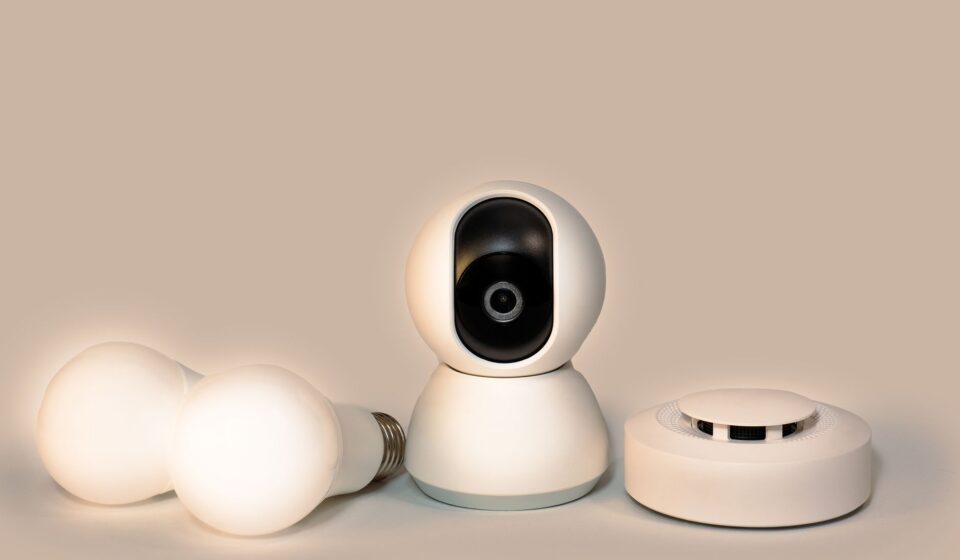
Unlock Smart Living Without the Hefty Price Tag
Most people assume that creating a smart home requires a significant financial outlay. However, as of June 2026, the world of accessible technology has shifted dramatically. You can now integrate a surprising number of intelligent devices into your living space for less than £50 each, proving that advanced home automation is within reach for nearly everyone.
Last updated: July 7, 2026
Key Takeaways
- Numerous high-quality smart home gadgets are available for under £50 in 2026.
- Smart plugs and bulbs offer simple yet effective ways to automate lighting and appliance control.
- Compact voice assistant devices provide hands-free control and access to smart home ecosystems.
- Smart sensors can enhance security and environmental monitoring affordably.
- Careful selection based on compatibility and user needs ensures maximum value.
The notion that smart home technology is exclusively for the affluent is a misconception rapidly being dispelled. With innovations in connectivity and manufacturing, a wealth of useful gadgets are now available at prices that make them accessible to a broad audience. Whether you’re looking to enhance security, improve energy efficiency, or simply add a touch of modern convenience, there are excellent options that won’t strain your budget.
This article explores some of the best smart home gadgets available for under £50 as of June 2026. We’ll explore what makes these devices stand out, how they can integrate into your existing setup, and practical tips for making the most of your affordable smart home investment.
The Versatile Smart Plug: Your Gateway to Automation
Smart plugs are arguably the most straightforward and impactful entry point into smart home technology, especially when they come in well under the £50 mark. These small devices plug into a standard wall socket, and then you plug your existing appliance into the smart plug. This allows you to control the power to the plugged-in device remotely via a smartphone app or through voice commands.
Practically speaking, a smart plug can turn almost any ‘dumb’ appliance into a smart one. Imagine scheduling your coffee maker to start brewing just before you wake up, or turning off a space heater remotely if you forgot to switch it off. Many smart plugs also offer energy monitoring features, allowing you to track the power consumption of individual appliances and identify potential energy drains.
Example: TP-Link Kasa Smart Plugs are frequently cited as reliable options, often available in multi-packs for under £50. These plugs typically connect via your home’s Wi-Fi network and are compatible with major voice assistants like Amazon Alexa and Google Assistant. A 4-pack can often be found for around £30-£40, making each plug exceptionally affordable.
Insight: Look for plugs that support features like scheduling, away-mode (which mimics occupancy by turning lights on and off randomly), and energy monitoring if those capabilities align with your needs. Ensure they are compatible with your preferred voice assistant or smart home ecosystem.
Illuminating Your Home with Smart Bulbs
Smart bulbs are another accessible category of smart home technology that has seen significant price drops. Like smart plugs, they allow for remote control and scheduling, but their primary function is to provide intelligent lighting. Beyond simple on/off control, many smart bulbs offer the ability to dim, change color temperature (from warm white to cool daylight), and even display a full spectrum of colors.
The benefits extend beyond mere convenience. Smart lighting can be used to create ambiance, enhance security by simulating occupancy, or help regulate sleep patterns by adjusting color temperature throughout the day. For instance, cooler, bluer light can help you feel more alert in the morning, while warmer, redder light is more conducive to relaxation in the evening.
Example: Brands like Singled and Wyze offer smart LED bulbs that are often priced at £10-£20 each, with multi-packs available for under £50. These bulbs typically connect directly to your Wi-Fi or via a compatible hub. Some Matter-enabled bulbs are also emerging in this price bracket, offering greater interoperability across different smart home platforms.
Insight: When choosing smart bulbs, consider the type of base (e.g., E27, B22), the lumen output (brightness), color-changing capabilities, and importantly, the connectivity protocol (Wi-Fi, Zigbee, Z-Wave, or Matter). Wi-Fi bulbs are the most common for budget options as they don’t require a separate hub.
The Heart of Your Smart Home: Affordable Voice Assistants
Voice assistants have become central to many smart home setups, acting as the primary interface for controlling other devices. While high-end smart speakers can be costly, entry-level models from major manufacturers are frequently available for under £50, especially during sales events. These compact devices allow you to use voice commands to play music, get information, set timers, and control your connected smart home devices.
The value proposition of an affordable smart speaker is immense. It not only provides entertainment and information but also serves as a central hub for managing your smart home ecosystem. Even the smallest versions pack powerful voice recognition technology and access to a vast array of skills and integrations.
Example: The Amazon Echo Dot (often the 4th or 5th generation) is a prime example, frequently priced at £49.99 or less. It’s a popular choice due to its integration with Amazon’s Alexa ecosystem, which supports a wide range of third-party smart home devices. Google’s Nest Mini is a comparable alternative, offering access to Google Assistant.
Insight: Consider were you will place the device. While compact, these speakers can fill a room with sound. Also, think about which ecosystem you prefer – Alexa or Google Assistant – as this will influence the range of compatible smart home devices you can easily control.
Enhancing Safety and Comfort with Smart Sensors
Smart sensors are often overlooked but are crucial for building a comprehensive and responsive smart home, and many are surprisingly affordable. These devices can detect a range of conditions, from motion and door/window openings to water leaks and temperature fluctuations. Integrating them into your system can provide enhanced security, peace of mind, and proactive environmental management.
For instance, a simple door/window contact sensor can alert you if a door or window is opened unexpectedly, which is invaluable for home security. Water leak sensors can be placed in basements, under sinks, or near washing machines to detect moisture early, potentially preventing significant water damage. Indoor hygrometer/thermometer sensors help maintain optimal comfort levels and monitor conditions for sensitive items like plants or electronics.
Example: Aqaba offers a range of affordable smart sensors, including water leak sensors and door/window sensors, that often retail for £15-£25 each. Wyze also provides motion sensors and contact sensors in a similar price range. These sensors typically connect via a compatible hub (like the Aqaba Hub, which itself can be purchased for around £40-£50) or directly via Wi-Fi or a proprietary protocol.
Insight: While some sensors require a hub, many budget-friendly options now connect directly via Wi-Fi, simplifying setup. Check compatibility with your existing smart home platform or voice assistant before purchasing. For security sensors, consider battery life and the notification system.
Beyond Bulbs: Smart Switches and Controllers
While smart bulbs offer a wide range of features, sometimes controlling the existing light fixture is more desirable, or you need a physical control point. Smart switches and buttons provide this functionality without requiring you to replace entire fixtures or bulbs, and many are available for under £50.
A smart switch replaces your existing wall light switch, allowing you to control the entire circuit of lights connected to it via your app or voice assistant. This is ideal for rooms with multiple bulbs or fixtures where replacing each bulb individually would be impractical or too expensive. Smart buttons, on the other hand, are small, often wireless devices that can be programmed to trigger specific smart home scenes or actions – like turning off all lights, locking doors, or adjusting the thermostat with a single press.
Example: The Philips Hue Smart Button is a popular choice, often found around £15-£20. It allows for simple tap or press-and-hold actions to control Hue lights or trigger scenes. For smart switches, brands like Kasa and Treat life offer WI-Fi-enabled wall switches that can be installed in place of traditional switches, typically costing £20-£35 each.
Insight: For smart switches, ensure you purchase the correct type for your wiring (e.g., single-pole, 3-way). Installation might require basic electrical knowledge or the help of an electrician, which could add to the overall cost, so factor this in. For smart buttons, consider their programmability and how many actions they can trigger.
Making the Right Choices: Compatibility and Practicality
With a plethora of affordable smart home gadgets available, making the right choice is crucial to avoid frustration and ensure your system works cohesively. As of June 2026, the biggest factor to consider is compatibility. Many devices now advertise support for major ecosystems like Amazon Alexa, Google Home, and Apple HomeKit, but it’s always wise to verify.
Consider Connectivity: Most budget-friendly devices rely on Wi-Fi for direct connection to your router, which is convenient as it doesn’t require a separate hub. However, a busy Wi-Fi network can sometimes lead to performance issues. Some devices use Zigbee or Z-Wave, which require a compatible hub but can create a more strong and responsive mesh network. The emerging Matter standard promises greater interoperability across brands and ecosystems, so look for Matter-certified devices if future-proofing is a priority.
Evaluate Ecosystems: If you already own a smart speaker (like an Echo Dot or Nest Mini), sticking with devices that integrate seamlessly with that ecosystem will simplify control. For example, if you have Alexa, favoring Kasa or Wyze devices that Alexa readily supports will offer a smoother experience.
Read Reviews: Look for user reviews that discuss reliability, ease of setup, and the quality of the companion app. Sometimes, a slightly more expensive device from a reputable brand offers better long-term value than a cheaper, less reliable alternative.
Practical Insight: Start small. Choose one or two devices that address a specific need – like smart plugs for lamps or a smart bulb for a frequently used room. As you become more comfortable and understand your smart home needs, you can gradually expand your system.
Smart Tech for a Greener Wallet and Planet
Beyond convenience, many smart home gadgets under £50 can contribute to significant energy savings, benefiting both your wallet and the environment. Smart plugs and smart bulbs are prime examples. By enabling precise scheduling and remote control, they prevent devices from consuming electricity when not needed.
For instance, using smart plugs to ensure entertainment systems, chargers, and other electronics are completely powered off overnight can eliminate ‘phantom load‘ – the energy devices consume even when in standby mode. According to the U.S. Department of Energy, phantom load can account for up to 10% of household energy consumption. Smart bulbs, by allowing dimming and scheduling, ensure you only use the light you need, and their LED technology is inherently more energy-efficient than traditional incandescent bulbs.
Example: A smart thermostat, while often pushing the £50 limit unless on sale, can provide substantial savings. However, even simpler devices like smart plugs with energy monitoring can highlight which appliances are the biggest energy hogs. By identifying these, you can use smart plugs to schedule them off or simply be more mindful of their usage.
Insight: When selecting devices, look for those that offer energy monitoring features. This data can be invaluable in understanding your home’s energy consumption patterns and identifying opportunities for further savings. Even basic scheduling capabilities on smart plugs and bulbs can lead to noticeable reductions in electricity bills over time.
Avoiding Pitfalls: Common Smart Home Mistakes
While building an affordable smart home is more accessible than ever, several common mistakes can lead to frustration. One of the most frequent is neglecting compatibility. Purchasing devices that don’t work with your existing voice assistant or smart home hub can lead to a fragmented system where devices can’t communicate effectively.
Another common error is over-purchasing. Trying to automate too much too soon can lead to a confusing setup and wasted money on gadgets you don’t truly need. It’s better to start with a few key devices that solve specific problems or provide clear benefits.
Furthermore, security is often an afterthought. Using weak passwords for your Wi-Fi network and smart device accounts, or failing to update device firmware, can leave your smart home vulnerable to cyber threats. Always ensure your router firmware is up-to-date and use strong, unique passwords for all your smart home accounts.
Practical Insight: Before buying, create a simple plan. Identify 1–3 areas where smart technology could genuinely improve your life – whether it’s convenience, security, or energy savings. Research devices that are known to be compatible with each other and with your preferred ecosystem. Always prioritize security best practices.
Expert Advice for Maximizing Your Budget Smart Home
To truly maximize the value of your smart home investment, consider these expert tips. Firstly, leverage sales and promotions. Major retailers and manufacturers often have significant discounts, especially around holidays or major shopping events. As of June 2026, look out for deals that bundle multiple devices or offer substantial savings on individual items.
Secondly, prioritize devices that offer multiple functionalities. A smart plug that also monitors energy usage, or a smart bulb that offers adjustable colour temperatures, provides more value than a single-function device. Thirdly, consider devices that use Matter. While still evolving, Matter promises to simplify cross-brand compatibility and reduce the need for multiple hubs, potentially saving you money and complexity in the long run.
Finally, don’t underestimate the power of a good routine. Most smart home platforms allow you to set up routines that trigger multiple actions with a single command or schedule. For example, a “Good Morning” routine could turn on specific lights, adjust the thermostat, and play the news – all with one voice command or at a set time.
Unique Insight: Many budget smart home devices rely on cloud processing for their smart features. While this is common, be aware that it means they require a stable internet connection to function fully. If internet outages are frequent in your area, consider devices that offer local control options or fallback modes, though these are less common in the sub-£50 bracket.
Frequently Asked Questions
Are smart home gadgets under £50 truly reliable?
As of June 2026, many budget smart home gadgets offer excellent reliability. Brands like Kasa, Wyze, and Singled provide dependable devices that integrate well with major ecosystems, often with strong companion apps and firmware updates.
Do I need a central hub for affordable smart home devices?
Many smart home gadgets under £50 connect directly via Wi-Fi and don’t require a separate hub. However, devices using Zigbee or Z-Wave protocols will need a compatible hub, which might add to the overall cost but can create a more stable network.
Can I control smart home gadgets from outside my home?
Yes, most smart home devices that connect to your Wi-Fi network can be controlled remotely via their smartphone app, provided your phone also has an internet connection. This allows for control from anywhere in the world.
What is the most useful smart home gadget under £50 for beginners?
Smart plugs and smart bulbs are generally considered the most useful and easiest to start with. They offer immediate convenience and automation for everyday items like lamps, coffee makers, and lights without complex setup.
Are there smart home gadgets under £50 that improve home security?
Yes, affordable options include WI-Fi-enabled security cameras (like some Wyze models), door/window contact sensors, and motion sensors. While they may not offer the advanced features of higher-end systems, they provide valuable basic monitoring and alerts.
How do I ensure my smart home gadgets are secure?
Always use strong, unique passwords for your Wi-Fi network and smart device accounts. Keep device firmware updated, and enable two-factor authentication where available. Regularly review connected devices and permissions in your smart home app.
Embrace Smart Living Affordably
Building a smart home in 2026 is no longer an expensive endeavor. The market is brimming with high-quality, functional gadgets available for under £50 that can genuinely enhance your daily life, improve security, and even contribute to energy savings. From versatile smart plugs and illuminating smart bulbs to intuitive voice assistants and practical sensors, there are options to suit almost every need and budget.
The key to success lies in careful selection, prioritizing compatibility, and starting with devices that address your most pressing needs. By doing so, you can confidently and affordably step into the world of home automation, making your living space smarter, more convenient, and more efficient.
Last reviewed: June 2026. Information current as of publication; pricing and product details may change.