
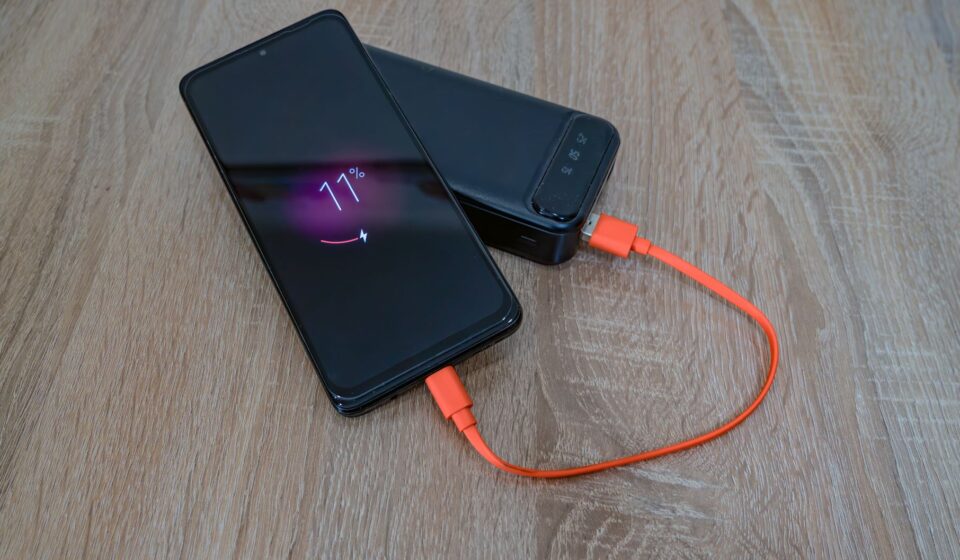
The sinking feeling of a dead phone battery in a foreign airport, miles from a charging outlet, is a universal travel frustration. In 2026, staying connected isn’t just a convenience; it’s often a necessity for navigation, communication, and accessing travel documents. A reliable portable power bank is no longer a luxury but a critical piece of kit for any international traveler.
Last updated: August 17, 2026
From navigating unfamiliar streets using your phone’s GPS to capturing spontaneous moments and ensuring you can contact loved ones, a dead device can quickly turn an adventure into an ordeal. This guide helps you select the top portable power bank for your international journeys, ensuring you remain powered up and prepared.
Latest Update (August 2026)
Recent reports highlight the increasing importance of portable power solutions for modern travel. As of August 2026, VICE reported on the best portable chargers for staying connected on the go, emphasizing their role in everyday life and travel. Additionally, bgr.com recently covered top portable battery packs specifically for devices like the Nintendo Switch 2, indicating a growing market for specialized portable power. TechRadar and CNET have also provided extensive reviews of portable power stations for 2026, focusing on their utility for camping and emergency preparedness, underscoring the broad demand for reliable off-grid power solutions.
Why Power Banks Are Essential for International Travel
In 2026, a dead smartphone battery can be more than an inconvenience; it can compromise your safety and access to crucial information. Power banks ensure you can access maps, translation apps, booking confirmations, and emergency contacts at all times.
For international travel in 2026, prioritize power banks with capacities between 10,000mAh and 20,000mAh to balance portability with sufficient charges. Always check airline regulations regarding lithium-ion battery capacity, typically capped at 100Wh (around 27,000mAh), and ensure the power bank is in your carry-on. Look for features like multiple ports, fast-charging capabilities (USB-C PD), durability, and safety certifications for a reliable travel companion.
Consider specific needs such as charging laptops, CPAP machines, or the number of devices you’ll be carrying.
Understanding Power Bank Capacity: More Than Just mAh
The capacity of a power bank, measured in milliampere-hours (mAh), is a primary specification. For international travel in 2026, a capacity between 10,000mAh and 20,000mAh offers a practical balance.
This range typically provides 2-4 full charges for a modern smartphone, fitting easily into a pocket or small bag for day trips or quick top-ups. A 20,000mAh model provides more charges, suitable for longer journeys or powering larger devices like tablets, though it will be heavier.
Capacities exceeding 27,000mAh (approximately 100Wh) often face flight restrictions. Understanding airline regulations is key. According to International Air Transport Association (IATA) guidelines, most airlines permit spare lithium-ion batteries up to 100Wh in carry-on luggage only. Always verify with your specific airline before flying.
Key Features for a Reliable Travel Power Bank
Beyond capacity, several features enhance a power bank’s utility for travelers. Multiple output ports are highly recommended. USB-C with Power Delivery (PD) is essential for rapidly charging modern smartphones, tablets, and even some laptops.
A power bank allowing simultaneous charging of multiple devices or powering up your primary device faster significantly improves convenience. Durability is also paramount for travel gear.
Look for power banks with ruggedized designs or protective casing that can withstand the rigors of packing and transit. Safety certifications, such as UL or CE marks, assure the device meets stringent safety standards, reducing risks of overheating or malfunction.
Airline Regulations and Power Banks: What You Need to Know
Navigating air travel with electronics requires understanding specific airline policies. The most critical factor for power banks is their lithium-ion battery capacity, measured in Watt-hours (Wh).
As of August 2026, most major airlines, adhering to IATA regulations, permit spare batteries up to 100Wh in carry-on luggage exclusively. Power banks often don’t display their Wh rating directly, but it can be calculated: Wh = (mAh × Voltage) / 1000. Assuming a standard 3.7V for lithium-ion batteries, a 10,000mAh power bank is about 37Wh, and a 20,000mAh unit is around 74Wh, both generally within the common limit.
Higher capacity units, such as 30,000mAh or more, may exceed the 100Wh limit. These might require prior airline approval or could be prohibited. It is vital to store power banks in your carry-on bag, never in checked luggage. This safety measure addresses the fire risk associated with lithium-ion batteries, allowing cabin crew to monitor and manage potential incidents effectively.
Always check the specific regulations of your airline and the departure/arrival countries, as rules can vary. Yahoo Lifestyle Canada recently highlighted significant deals on power banks, indicating a dynamic market responding to consumer needs for reliable travel accessories.
Top Portable Power Banks for International Travel in 2026
Selecting the right power bank depends on your individual travel needs. Here are some highly-regarded options that balance capacity, features, and portability for international travelers as of August 2026:
Anker 737 Power Bank (PowerCore 24K)
This high-capacity powerhouse (24,000mAh) is a favorite for travelers needing to charge multiple devices, including laptops, thanks to its robust 140W USB-C Power Delivery output. It features a smart digital display showing remaining power, output, and input speed, offering excellent real-time feedback.
While it is heavier, its versatility makes it a strong contender for those who demand maximum performance and the ability to charge power-hungry devices. Users report its reliability for powering both personal electronics and essential work equipment on the move.
GREEN Nexode 20,000mAh Power Bank
Offering a solid 20,000mAh capacity and strong fast-charging capabilities (up to 65W USB-C PD), the GREEN Nexode is a well-rounded option. It efficiently charges laptops, smartphones, and other gadgets. Its build quality is generally high, and it strikes a good balance between substantial capacity and a manageable size for travel.
This model is often cited in reviews for its durability and consistent performance, making it a dependable choice for extended trips. It’s suitable for travelers who need to keep multiple devices powered throughout the day.
INIU Portable Charger 10,000mAh
For travelers prioritizing compactness, the INIU 10,000mAh model is an excellent choice. It is slim, lightweight, and easily fits into any bag or even a large pocket. Despite its small size, it offers sufficient power to charge a smartphone multiple times.
This power bank often includes fast-charging ports and is praised for its affordability. It’s an ideal option for budget-conscious travelers or those who primarily need to keep their phone topped up during day excursions. Its user-friendly design makes it accessible for all types of travelers.
Shargeek 170 Rugged Power Bank
Designed for the more adventurous traveler, the Shargeek 170 offers a substantial 20,000mAh capacity and impressive 100W USB-C PD output. Its ruggedized construction makes it resistant to dust, water, and drops, ideal for outdoor activities or demanding travel conditions.
This power bank is capable of fast-charging laptops and multiple other devices simultaneously. Its robust build and high power output make it a reliable companion for expeditions or challenging environments. Users appreciate its resilience and performance under duress.
Anker PowerCore III Elite 25,600mAh
This higher-capacity option from Anker (25,600mAh) is designed for users who need to power multiple devices for extended periods, including laptops. It boasts 87W USB-C PD output and comes with a USB-C to USB-C cable.
While it exceeds the common 20,000mAh sweet spot and is heavier, it remains within the typical 100Wh airline limit. It’s a solid choice for business travelers or digital nomads who rely heavily on their devices throughout the day and require significant backup power.
Baseus Blade 100W Power Bank
The Baseus Blade stands out with its incredibly thin profile despite its 20,000mAh capacity and 100W output. This design makes it exceptionally portable and easy to slide into laptop sleeves or tight bag compartments. It supports fast charging for a wide range of devices.
Its sleek aesthetic combined with high performance makes it a popular choice for tech-savvy travelers. The inclusion of multiple ports, including USB-C and USB-A, offers versatility for different charging needs. According to independent reviews, its innovative design has been well-received by users seeking both power and portability.
Choosing the Right Capacity for Your Needs
The ideal power bank capacity is highly personal and depends on your travel habits and device usage. For a typical smartphone user on a week-long trip, a 10,000mAh to 15,000mAh unit might suffice for one or two full charges per day.
If you frequently use your phone for navigation, photography, or video streaming, or if you carry a tablet or other power-hungry gadgets, a 20,000mAh to 27,000mAh power bank offers greater peace of mind. For travelers needing to charge laptops regularly, power banks with at least 60W, and preferably 100W or more, USB-C PD are essential. These higher-capacity and higher-wattage units often hover around the 20,000mAh to 27,000mAh mark, staying within airline limits.
Fast Charging Technologies: USB-C PD and Beyond
In 2026, fast charging is a standard expectation. USB-C Power Delivery (PD) is the most prevalent and effective standard for modern devices, including smartphones, tablets, and laptops. PD allows for dynamic power negotiation, delivering higher wattages efficiently.
When selecting a power bank, look for specifications detailing USB-C PD output wattage. For smartphones, 18W-30W PD is common. For tablets and larger devices, 45W-65W PD is preferable. For laptops, you’ll need 65W PD or higher, with some ultrabooks and smaller laptops capable of charging at 100W PD, as seen with the Anker 737.
Also, consider the power bank’s input charging speed. A power bank that can recharge itself quickly, ideally using a high-wattage PD charger, minimizes downtime between uses.
Durability and Build Quality for Travel
Your power bank will endure the bumps and jostles of travel. Opt for models with robust construction, reinforced corners, or a slightly rubberized exterior for better grip and impact resistance. Some manufacturers offer specific ruggedized power banks designed for outdoor enthusiasts or adventure travel, which can withstand dust, water, and drops.
While aesthetics are important, prioritize function and durability. A slightly heavier but more resilient power bank is often a better investment for frequent travelers than a fragile, lightweight model.
Safety Certifications: Protecting Your Devices and Yourself
Safety is paramount when dealing with high-capacity lithium-ion batteries. Look for power banks that have undergone rigorous testing and received certifications from reputable organizations.
Common certifications include UL (Underwriters Laboratories), CE (Conformité Européenne), FCC (Federal Communications Commission), and RoHS (Restriction of Hazardous Substances). These indicate that the product meets safety and environmental standards, reducing the risk of overheating, short circuits, or other hazards.
Frequently Asked Questions
What is the best power bank capacity for international travel in 2026?
For most international travelers in 2026, a power bank capacity between 10,000mAh and 20,000mAh offers the best balance of portability and sufficient charging power for smartphones and other essential devices. Higher capacities might exceed airline limits.
Can I take a power bank on a plane in 2026?
Yes, you can take power banks on planes in 2026, but they must be in your carry-on luggage. Lithium-ion batteries are generally restricted to 100Wh (approximately 27,000mAh), though some airlines may allow up to 160Wh with prior approval. Always check your airline’s specific policy.
How many times can a 20,000mAh power bank charge my phone?
A 20,000mAh power bank can typically charge a modern smartphone (with a battery around 4,000-5,000mAh) between 3 to 4 full times. This number varies slightly based on the phone’s battery size and charging efficiency.
Are all USB-C ports on power banks fast charging?
No, not all USB-C ports support fast charging. Look for specifications mentioning USB-C Power Delivery (PD) and the wattage it supports (e.g., 18W, 45W, 65W, 100W) to ensure fast charging capabilities for compatible devices.
What are the risks of using a cheap, uncertified power bank?
Using cheap, uncertified power banks in 2026 carries significant risks, including overheating, battery explosion, damage to your devices, and potential fire hazards. Always opt for reputable brands with safety certifications.
Conclusion
Staying connected while traveling internationally in 2026 is more critical than ever. A high-quality portable power bank is an indispensable tool that ensures your devices remain operational, supporting navigation, communication, and capturing memories. By considering capacity, essential features like fast charging and multiple ports, durability, and strict adherence to airline regulations, you can select a power bank that perfectly suits your travel needs.
Prioritize reputable brands and safety certifications to ensure a reliable and safe experience. With the right power bank in your carry-on, you can embark on your international adventures with confidence, knowing you have dependable power on demand.