
The Overlooked Benefits of Decluttering Your Space in 2026
Last updated: August 3, 2026
Latest Update (August 2026)
As of August 2026, the conversation around mental well-being and productivity continues to emphasize the importance of organized environments. Recent studies from the University of Scranton indicate a growing recognition of decluttering as a proactive mental health strategy, with individuals reporting significant reductions in stress levels after adopting minimalist principles. Furthermore, the rise of remote and hybrid work models in 2026 has amplified the need for dedicated, distraction-free home workspaces, making decluttering a practical necessity for professional success.
Key Takeaways
- Decluttering in 2026 demonstrably reduces stress and anxiety by creating calmer environments.
- A clear space directly correlates with improved focus and enhanced productivity, both personally and professionally.
- The act of decluttering can boost self-esteem and a sense of accomplishment, contributing to better mental health.
- Physical benefits include easier cleaning, better air quality, and reduced risk of accidents.
- Organising belongings can free up mental bandwidth, allowing for more creative thinking and problem-solving.
Clearing the Chaos: Mental and Emotional Gains
The most widely recognised advantages of decluttering are undoubtedly mental. Living or working in a cluttered environment can lead to feelings of being overwhelmed, anxious, and unfocused. As of August 2026, research continues to highlight the direct link between physical order and mental serenity.
When your surroundings are organised, your mind often follows suit. This reduction in external stimuli can quiet the mental chatter, allowing for deeper concentration on tasks at hand. According to the National Institute of Mental Health, an organised environment can act as a buffer against stress, mitigating the impact of daily pressures.
Sharpen Your Focus, Amplify Your Productivity
The connection between a decluttered space and increased productivity is well-documented. When physical items are in their designated places, the time and mental energy spent searching for misplaced objects are eliminated. This saved time can be redirected towards more meaningful or productive activities.
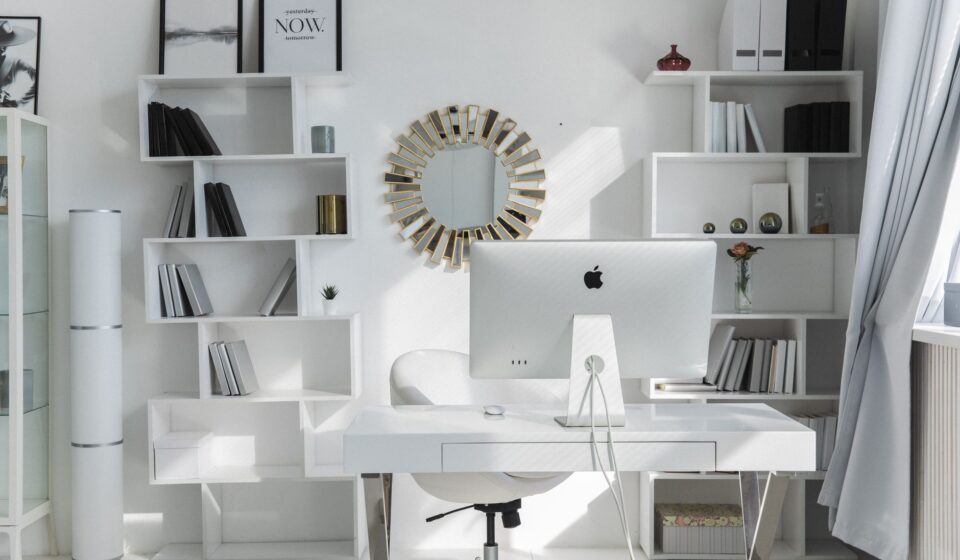
Consider a workspace devoid of unnecessary papers, gadgets, and knick-knacks. Such an environment minimizes distractions and allows you to fully engage with your work. A study published in the Journal of Environmental Psychology found that individuals working in organised spaces reported higher levels of focus and task completion rates compared to those in cluttered settings, as of 2026 data analysis.
This effect is particularly pronounced in 2026 with the prevalence of digital distractions. A clean physical space can serve as an anchor, helping individuals maintain focus amidst constant digital notifications and information overload. Experts suggest that creating a visually calm workspace can significantly improve cognitive performance.
Beyond the Mind: Tangible Physical Advantages
The benefits of decluttering aren’t solely psychological; they extend to tangible improvements in your physical environment and health. A less cluttered home is inherently easier to clean and maintain, which can lead to better hygiene and a more comfortable living space.
Reducing clutter can improve air quality by decreasing dust accumulation. Organisations like the Environmental Protection Agency (EPA) often recommend regular deep cleaning and decluttering to minimise allergens and pollutants within the home, a guideline that remains pertinent in 2026. A tidy environment also reduces the risk of trips and falls, especially for children and the elderly.
Furthermore, decluttering can help identify items that are no longer functioning correctly or pose safety hazards. This proactive approach to home maintenance, supported by consumer safety reports in 2026, can prevent accidents and costly repairs down the line.
Boosting Self-Esteem and Reclaiming Control
The act of decluttering and organising your belongings can significantly boost self-esteem. Completing a decluttering project, no matter how small, provides a tangible sense of accomplishment. This feeling of having successfully managed a task can foster a greater sense of personal control and competence.
For many, the process of deciding what to keep and what to let go of is empowering. It’s an active decision-making process that reaffirms your choices and priorities. This can be particularly beneficial for individuals who feel a lack of control in other areas of their lives.
According to a 2026 report by the American Psychological Association, taking deliberate action to improve one’s environment is strongly linked to improved self-efficacy. This psychological boost can ripple into other aspects of life, encouraging individuals to tackle larger goals with renewed confidence.
Practical Strategies for a Clutter-Free Life
Embarking on a decluttering journey can seem daunting, but adopting effective strategies can make the process manageable and rewarding. The key is to start small and be consistent.
One popular approach is the ‘Komati Method’, which involves thanking items for their service before letting them go. Another is the ‘one in, one out’ rule, where for every new item brought into the home, an old one is removed. For those struggling with decision-making, setting a timer for 15–20 minutes each day to tackle one small area can be effective.
Consider donating unwanted items to charities or selling them online. Platforms like eBay or local buy-and-sell groups can give your pre-loved items a new home while recouping some costs. This not only declutters your space but also contributes to a more sustainable lifestyle, a growing concern for consumers in 2026.
The KonMari Method, popularized by Marie Kondo, continues to be a significant influence in 2026. Its focus on joy and mindful selection resonates with individuals seeking intentional living. Another strategy gaining traction is the ‘minimalism game’, where participants discard one item on day one, two on day two, and so on, for a month.
Decluttering for Different Lifestyles in 2026
The approach to decluttering can and should be adapted to individual circumstances and lifestyles in 2026. For busy professionals, focusing on high-traffic areas like the entryway and kitchen can yield immediate improvements in daily routine efficiency.
Families with young children might benefit from organising toys and play areas by type and frequency of use. Implementing designated storage solutions, such as bins and shelves, can help children learn to tidy up independently. This fosters early habits of organisation and responsibility.
Students, often dealing with limited space and a high volume of study materials, can find immense value in decluttering their study zones. Digitizing notes and documents where possible, and using vertical storage solutions, can maximise efficiency and minimise desk clutter.
Navigating Decluttering Difficulties
Despite the clear benefits, decluttering can present challenges. Sentimental attachment to items, fear of needing them in the future, or simply feeling overwhelmed by the sheer volume of possessions can be significant hurdles.
For sentimental items, consider keeping a curated selection of the most meaningful ones, perhaps in a memory box. For the fear of future need, ask yourself realistically if you’ve used the item in the last year. If not, it’s likely safe to part with. This practical approach helps differentiate between genuine future needs and perceived ones.
For overwhelming situations, breaking down the task into smaller, manageable zones (e.g., a single drawer, a shelf) can make it feel less daunting. This phased approach, recommended by professional organizers in 2026, ensures steady progress without burnout.
If decluttering consistently feels overwhelming or triggers significant distress, it might be helpful to seek professional guidance. Professional organizers can offer structured support and strategies tailored to your specific needs. In some cases, persistent difficulty in letting go of possessions could be related to deeper psychological issues, and consulting a therapist may be beneficial.
Decluttering Methods: A Comparative Look
Different approaches to decluttering exist, each with its own philosophy and execution. Understanding these can help you find the method best suited to your personality and lifestyle in 2026.
The KonMari Method focuses on keeping only items that ‘spark joy.’ It’s a category-based approach, starting with clothes, then books, papers, miscellaneous items, and finally sentimental items. It encourages gratitude for items being discarded.
The Minimalism Game is a challenge-based method. Participants declutter a number of items corresponding to the day of the month. For example, on the 15th day, you’d discard 15 items. This gamified approach can add motivation.
The Swedish Death Cleaning (Döstädning) method involves a deep, often final, purge of possessions. It’s about clearing out clutter so loved ones aren’t burdened with it later. While intense, it can be very liberating.
The Four-Box Method is a simple, practical strategy. You use four boxes labeled: Keep, Donate/Sell, Trash, and Relocate. As you sort, items go into their designated box, making the process structured.
Frequently Asked Questions
What are the primary mental health benefits of decluttering?
Decluttering significantly reduces stress and anxiety by creating a calmer, more ordered environment. It enhances mental clarity, improves focus, and can boost self-esteem by providing a sense of accomplishment and control. This often leads to better overall emotional well-being.
How does decluttering impact productivity?
A decluttered space minimizes distractions and eliminates time wasted searching for items. This leads to improved concentration and efficiency in work or personal tasks. Users report higher task completion rates and better time management as a direct result.
Are there physical health benefits to decluttering?
Yes, decluttering leads to easier cleaning, better indoor air quality by reducing dust and allergens, and a lower risk of accidents from tripping or falling. A tidy space promotes a healthier living environment.
What if I have too many sentimental items to declutter?
For sentimental items, focus on keeping a curated selection of the most meaningful ones. Consider creating a memory box or taking photos of items you can’t keep. The goal is to preserve memories without being burdened by excessive possessions.
How can I start decluttering if I feel overwhelmed?
Start small by dedicating 15-20 minutes daily to a single drawer or shelf. Use methods like the ‘one in, one out’ rule or the four-box method to make decisions easier. Breaking down the task into manageable steps prevents overwhelm.
Conclusion
Decluttering your space in 2026 is far more than a cosmetic undertaking; it’s a powerful practice for enhancing mental clarity, boosting productivity, and improving overall well-being. By systematically clearing out unnecessary items, you create an environment conducive to focus, calm, and self-improvement. Whether you adopt a structured method or simply aim for a more organised daily routine, the benefits of a decluttered space are profound and lasting, contributing to a more fulfilling life.