
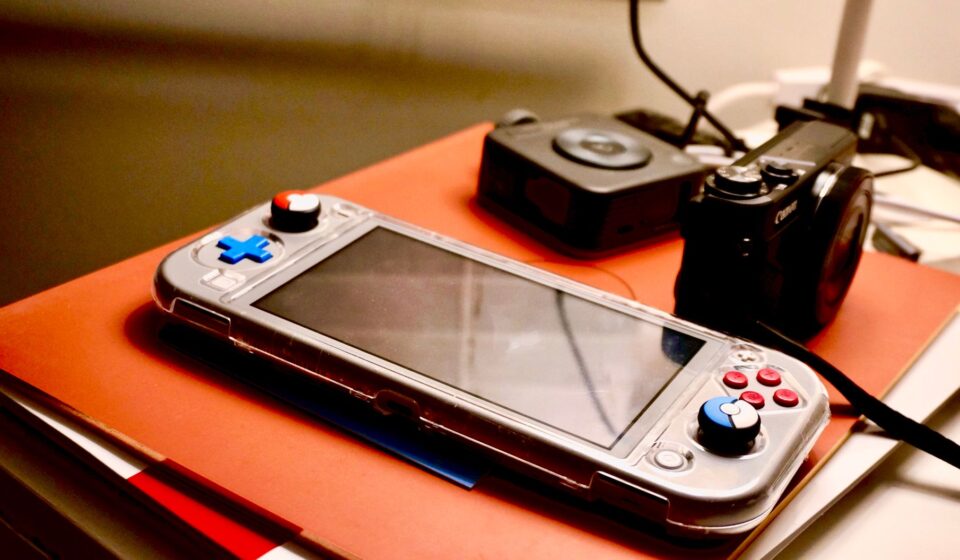
Why Portable Gaming is Booming in 2026
Why is every gamer suddenly looking to pack their library into their backpack? The world of portable gaming has undergone a seismic shift in 2026, moving far beyond the simpler experiences of yesteryear. Today’s latest portable gaming devices offer the kind of power and versatility that were once exclusive to high-end desktop PCs and consoles. This evolution means you no longer have to compromise on graphical fidelity or game selection when you’re away from home. Whether you’re commuting, travelling, or simply want the freedom to game anywhere, the options available today are truly remarkable.
Last updated: August 9, 2026
Key Takeaways
- The latest portable gaming devices in 2026 offer unprecedented power, rivalling desktop PCs and consoles.
- Handheld PCs like the Steam Deck and ROG Ally provide access to a vast PC game library.
- Dedicated handheld consoles offer optimized experiences for specific ecosystems and portable play.
- Battery life, screen quality, ergonomics, and game library are crucial factors when choosing a device.
- Prices for advanced portable gaming devices can range from £200 to over £1,000, depending on specifications.
The Rise of the Handheld PC
Perhaps the most significant development in the portable gaming arena as of July 2026 is the mainstream acceptance and advancement of handheld gaming PCs. Devices like Valve’s Steam Deck, ASUS’s ROG Ally, and Lenovo’s Legion Go have redefined what’s possible. These aren’t just glorified tablets; they are bona fide Windows or Linux-based computers capable of running an extensive library of PC games. This means your entire Steam, Epic Games Store, or Xbox Game Pass PC library can potentially be in your pocket.
Practically speaking, this offers unparalleled game variety. You can jump into demanding AAA titles that would have been unthinkable on a portable device just a few years ago. The trade-offs, however, are often related to battery life and sometimes ergonomics, as pushing high-end components requires significant power and cooling. The cost also reflects this power, with premium models often exceeding £800.
Dedicated Handheld Consoles: Still Evolving
While handheld PCs grab headlines, dedicated handheld consoles continue to evolve. Nintendo’s Switch OLED remains a popular choice, offering a unique hybrid experience that bridges the gap between portable and home console gaming. Its strength lies in its exclusive first-party titles and a strong ecosystem. For those interested in retro gaming or specific mobile emulation, devices like the Retrod Pocket series offer dedicated solutions that are often more affordable and optimized for older titles.
These devices typically offer a more streamlined, user-friendly experience compared to handheld PCs. Game libraries are curated and often exclusive, meaning you might not find the same breadth of titles as on PC. However, they often excel in battery life and simplicity, making them ideal for casual gamers or those who prefer a ‘pick up and play’ experience. Prices for these can range from around £200 for entry-level emulation devices to £350 for premium console offerings.
Key Features to Consider in 2026
With such a diverse range of latest portable gaming devices available, choosing the right one requires careful consideration of several factors. As of July 2026, the most critical aspects to evaluate include:
- Performance and Graphics: Look at the processor (CPU), graphics processing unit (GPU), and RAM. For PC gaming handhelds, specifications comparable to a mid-range gaming laptop are desirable. For emulation, the requirements vary greatly depending on the system being emulated.
- Display Quality: Screen resolution, refresh rate, brightness, and panel type (OLED vs. LCD) significantly impact the visual experience. An OLED screen offers superior contrast and vibrant colors, while a higher refresh rate provides smoother motion.
- Battery Life: This is often the Achilles’ heel of powerful portable devices. Manufacturers are improving battery technology, but expect anywhere from 2–6 hours of gameplay depending on the device and the intensity of the game. Some devices, like the Nintendo Switch, offer better longevity through hardware optimization and lower-power components. According to bgr.com (July 2026), some newer handhelds are boasting better battery life than the Nintendo Switch 2, a significant claim in the current market.
- Ergonomics and Build Quality: How does the device feel in your hands during extended play sessions? Consider the button layout, grip comfort, and weight. A well-built device feels strong and durable.
- Storage: PC gaming handhelds often come with SSDs, which are fast but can be expensive. Ensure there’s sufficient internal storage for your games or an easy way to expand it via micros cards or user-replaceable SSDs.
- Operating System and Game Library: Windows handhelds offer the most extensive game compatibility but can sometimes be fiddly. SteamOS devices are more streamlined for PC gaming but may have compatibility issues with non-Steam games. Dedicated consoles have their own curated libraries.
Real-World Examples and Use Cases
Let’s look at how different users might benefit from the latest portable gaming devices:
The Commuter: For someone spending hours on public transport daily, a device like the Nintendo Switch OLED or a lighter emulation handheld such as the Retrod Pocket 5 would be ideal. They offer excellent battery life for long journeys and access to games that don’t demand constant high-end processing power. Titles like ‘Animal Crossing’ or ‘Star dew Valley’ are perfect for this scenario.
The PC Gamer on the Go: An enthusiast who wants to play their PC library without being tethered to a desk would gravitate towards the Steam Deck OLED or the ASUS ROG Ally. These devices can run demanding titles like ‘Cyberpunk 2077’ or ‘Elden Ring’ with impressive visuals, allowing them to continue their PC adventures during travel or downtime. PC Gamer (July 2026) highlights these as powerhouses for portable PC gaming.
The Retro Enthusiast: Someone who cherishes classic games from the 8-bit and 16-bit eras might opt for a dedicated retro handheld. Devices like the Milieu Mini Plus or various Anergic models are designed specifically for emulation, offering excellent button layouts and optimized software for systems like the Super Nintendo or Game Boy Advance. They are typically very affordable, with many options available for under £150.
How to Choose Your Perfect Portable Device
Selecting the right portable gaming device in 2026 hinges on understanding your primary use case and budget. The competitors in this space are fiercely vying for attention, offering varied strengths.
If your priority is playing the latest PC games natively, a handheld PC like the Lenovo Legion Go or Steam Deck OLED is the way to go. These devices run Windows or Linux and can access vast libraries. However, be prepared for higher costs, potentially shorter battery life during demanding sessions, and occasional software compatibility quirks, especially with non-Steam titles. PCMag.com (July 2026) notes that the best handheld gaming PCs offer significant portable power.
For those who value a curated, high-quality gaming experience with exclusive titles, dedicated consoles like the Nintendo Switch remain strong contenders. Their simplicity, optimized performance, and strong first-party offerings make them a compelling choice. They often strike a better balance between performance and battery life for typical gaming sessions.
If budget is a major concern, or your primary interest lies in emulating older console generations, look towards more affordable options. Devices from brands like Retrod or Anergic can offer fantastic emulation performance for systems up to the PlayStation 1 or Nintendo 64 era at a fraction of the cost of a full-blown handheld PC.
Battery Life and Charging Considerations
One of the perennial challenges with powerful portable gaming devices is battery endurance. As of July 2026, manufacturers are making strides, but managing expectations is key. A device capable of running demanding PC games will naturally consume more power than a console designed for lighter, more optimized titles.
For handheld PCs, expect to get around 2–4 hours of playtime in graphically intensive games. Playing less demanding titles, indie games, or using cloud streaming services can extend this to 4–6 hours. The Steam Deck OLED, for instance, has improved battery efficiency over its predecessor, but it’s still a power-hungry machine when pushed. For devices like the Nintendo Switch, you can often achieve 5–8 hours of gameplay on titles like ‘The Legend of Zelda: Tears of the Kingdom’.
When choosing a device, consider its charging speed and port type. USB-C Power Delivery (PD) is becoming standard, allowing for faster charging. It’s also wise to invest in a good quality portable power bank if you plan on extended gaming sessions away from a power outlet. Some sources, like SlashGear (July 2026), are already comparing battery life against upcoming consoles, indicating this remains a prime area of development.
The Cost of Portable Power
The price of the latest portable gaming devices in 2026 varies dramatically, reflecting the technology packed inside. Handheld PCs capable of running modern PC games typically start around £500 for entry-level configurations and can easily climb to £1,000 or more for models with larger storage, higher-resolution OLED screens, or more powerful processors. The Steam Deck OLED, for example, has configurations starting from £449.99. Competitors like the ASUS ROG Ally and Lenovo Legion Go often fall within a similar price bracket, with various models available.
Dedicated handheld consoles tend to be more affordable. The Nintendo Switch OLED model, for instance, retails for around £300. Simpler emulation handhelds can be found for as little as £100 to £200, making them an accessible entry point into portable gaming. When budgeting, remember to factor in the cost of games, accessories like micros cards or carrying cases, and potential extended warranties.
Common Mistakes to Avoid When Buying
Navigating the market for the latest portable gaming devices can be tricky. Here are a few common pitfalls to steer clear of:
- Overpaying for Features You Don’t Need: Don’t buy a high-end handheld PC if you only plan to play retro games. Conversely, don’t settle for a basic emulation device if you want to play demanding modern PC titles. Define your primary use case first.
- Ignoring Ergonomics: A device might have incredible specs, but if it’s uncomfortable to hold for more than 30 minutes, it’s a poor choice. Read reviews and, if possible, try holding the device before purchasing.
- Underestimating Battery Needs: If you’re always on the move, prioritize devices known for better battery life or plan for external charging solutions. A powerful device with a dead battery is useless.
- Forgetting the Game Library: Ensure the device supports the games you want to play. A handheld PC offers the broadest compatibility, but dedicated consoles have exclusive titles that might be a draw.
- Buying Without Considering Storage: Modern games are large. Ensure the device has sufficient internal storage or a strong expansion solution (like a fast micros card slot) for your needs.
Expert Tips for Portable Gaming in 2026
To get the most out of your portable gaming experience in 2026, consider these expert insights:
- Optimize Settings: For handheld PCs, learn to tweak graphics settings. Lowering certain demanding options can significantly improve frame rates and battery life without a drastic visual downgrade. Look for community guides specific to your device and games.
- Explore Game Streaming: Services like Xbox Cloud Gaming, GeForce Now, or Steam Remote Play can extend your gaming library significantly, especially on devices with less internal storage or processing power. This allows you to stream demanding titles from the cloud or your home PC.
- Invest in Accessories: A good screen protector is essential for any portable device. A comfortable carrying case and a high-quality USB-C power bank can transform your portable gaming experience, especially for longer trips.
- Stay Updated: Manufacturers frequently release software updates that improve performance, battery management, and compatibility. Keep your device’s operating system and drivers up-to-date for the best experience.
- Consider the Ecosystem: If you’re already invested in a particular gaming ecosystem (e.g., PlayStation, Xbox, Nintendo, or PC via Steam/Epic), choosing a device that integrates well with it can be a major advantage.
Frequently Asked Questions
What are the latest portable gaming devices for 2026?
As of July 2026, leading devices include the Steam Deck OLED, ASUS ROG Ally, Lenovo Legion Go, and Nintendo Switch OLED, alongside various specialized emulation handhelds.
Can I play PC games on a handheld device?
Yes, handheld PCs like the Steam Deck, ROG Ally, and Legion Go are designed to run PC games natively, offering access to extensive libraries from platforms like Steam and Epic Games Store.
Which portable gaming device has the best battery life?
Dedicated consoles like the Nintendo Switch typically offer better battery life for their optimized games than powerful handheld PCs running demanding AAA titles.
Are handheld gaming PCs expensive?
Yes, high-performance handheld gaming PCs can be quite expensive, often ranging from £500 to over £1,000, depending on specifications and storage.
What is the best portable gaming device for retro emulation?
For retro emulation, devices like the Retrod Pocket series or Anergic handhelds are excellent choices, offering dedicated hardware and software optimization at affordable prices.
Is the Steam Deck OLED worth the upgrade?
The Steam Deck OLED offers significant improvements in screen quality, battery life, and efficiency over its predecessor, making it a worthwhile upgrade for many PC gamers seeking a premium portable experience.
Last reviewed: July 2026. Information current as of publication; pricing and product details may change.