
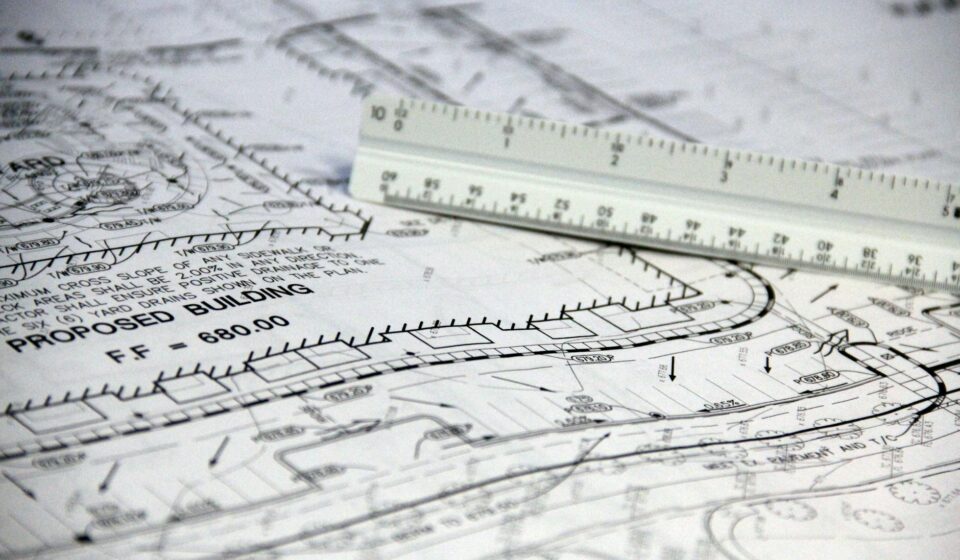
ng, engineering often involves significant research and development (Ramp;D). Engineers might explore new materials, develop advanced algorithms, or devise novel methods for energy generation. A rigorous characterizs their work, systematic approach aimed at innovation and improvement.
Last updated: May 17, 2026
Technology: The Art of Application and Advancement
Technology, on the other hand, is more concerned with the practical application of scientific knowledge and engineering designs. It encompasses the tools, systems, and methods developed through engineering and scientific discovery to meet human needs and wants. Technologists often work with existing engineering frameworks, adapting, improving, and implementing them in real-world scenarios.
Following the aircraft example, an engineering technologist might focus on the manufacturing process of that new aircraft. They would oversee the assembly lines, ensure quality control of components, troubleshoot machinery, and implement efficient production strategies. Their expertise lies in making the engineered design a tangible, functional reality, often involving hands-on work and an understanding of operational systems.
According to the Bureau of Labor Statistics (BLS) 2023 data, roles in engineering technology often involve more direct interaction with equipment and processes. For instance, a computer hardware technologist might test prototypes of new computer components designed by electrical engineers, identify flaws, and suggest modifications for mass production. The emphasis is on practical execution and optimization.
Curricular Distinctions: Theory vs. Practice
The educational paths for engineering and engineering technology reflect their differing focuses. Engineering programs typically require a strong foundation in theoretical mathematics (calculus, differential equations) and science, alongside specialized engineering principles. Students dig deep into physics, advanced analytical methods, and theoretical problem-solving.
For example, a mechanical engineering curriculum might include advanced thermodynamics, fluid mechanics, and materials science, focusing on the underlying scientific principles. Graduates are expected to be adept at deriving equations, performing complex analyses, and conceptualizing entirely new systems. The goal is to produce individuals capable of fundamental research and novel design.
Engineering technology programs, conversely, place a greater emphasis on applied mathematics (algebra, trigonometry) and hands-on laboratory work. The curriculum is geared towards understanding and applying existing technologies, troubleshooting systems, and managing technical operations. Students might learn about specific software, hardware, or manufacturing techniques relevant to their specialization.
Consider a civil engineering technology course: it would likely cover surveying techniques, construction materials testing, and project management software, rather than deep dives into soil mechanics or structural analysis equations that a civil engineer might focus on. This practical orientation prepares graduates for immediate application in industry.
Career Paths: Innovators vs. Implementers
The career trajectories for engineers and technologists, while overlapping, often lead to different types of roles and responsibilities. Engineers are frequently found in research and development, design, and high-level problem-solving capacities. They might lead innovation teams, develop new product concepts, or conduct advanced scientific research.
For instance, a software engineer might develop an entirely new artificial intelligence algorithm, while a biomedical engineer could design a novel medical device. Their roles are often about creation, invention, and pushing the frontiers of knowledge and capability. According to the BLS, many engineering roles require advanced degrees or a Professional Engineer (PE) license, indicating a focus on theoretical expertise and ethical responsibility in design.
Engineering technologists often find roles in technical support, quality assurance, systems analysis, sales engineering, and field service. They are the experts who make sure engineered systems work as intended, are manufactured efficiently, and are maintained effectively. A mechanical engineering technologist might oversee the installation of a new manufacturing robot, ensuring it integrates seamlessly with existing production lines.
A common mistake is assuming these roles are interchangeable. While there’s overlap, a technologist might not be qualified to sign off on a structural design for a bridge (an engineer’s role) due to differing accreditation and training. Conversely, an engineer might not have the hands-on troubleshooting skills for a specific manufacturing machine that a technologist possesses.
Salary and Job Outlook: A Comparative View
When comparing technology vs engineering salaries and job prospects, both fields offer strong opportunities as of May 2026. However, starting salaries and long-term earning potential can differ based on specialization and the specific role.
The BLS reported that in May 2023, the median annual wage for engineers was approximately £70,000 (based on US median figures of $97,310). Median annual wages for engineering technologists and technicians were around £49,500 (US $49,500), with some technician roles starting significantly lower, potentially around £40,000 (US $40,000).
However, experienced engineering technologists in specialized roles, such as senior quality control managers or lead technical support specialists, can earn salaries comparable to, or even exceeding, those of some entry-level engineers, potentially reaching £70,000-£100,000 (US $70,000-$100,000) or more in high-demand sectors. The crucial factor is often the specific industry, level of responsibility, and the practical value the individual brings.
The job outlook for both fields is strong. The BLS projected that employment for engineers was expected to grow about 5% from 2022 to 2032, while employment for engineering technologists and technicians was projected to grow around 4%. Both are generally considered stable career paths driven by ongoing innovation and infrastructure needs.
Making the Choice: Where Do You Fit?
Deciding between a path in engineering or engineering technology requires self-reflection on your interests, strengths, and career aspirations. Ask yourself: Do you enjoy delving into theoretical concepts and complex mathematical models, or do you prefer hands-on application and troubleshooting tangible systems?
Consider your learning style. If you thrive on abstract problem-solving and developing new theories, an engineering degree might be more suitable. If you excel at practical application, understanding how things work in the real world, and adapting existing solutions, engineering technology could be a better fit. It’s not about which is ‘better,’ but which aligns with your individual aptitudes and goals.
A practical tip is to speak with professionals in both fields. Ask them about their daily tasks, the challenges they face, and what they find most rewarding. Visiting university departments and talking to admissions counselors can also provide valuable insights into curriculum differences and career outcomes.
Common Mistakes and How to Avoid Them
One common mistake is viewing engineering technology as a lesser version of engineering. Both are vital disciplines, and engineering technology often requires a highly specialized skill set that engineers may not possess. It’s essential to recognize the distinct value each brings to the innovation ecosystem.
Another pitfall is choosing a path based solely on perceived salary differences without considering personal interest. A career you find unfulfilling, regardless of pay, can lead to dissatisfaction. Passion for the work is a significant driver of long-term success and happiness.
Overlooking the importance of accreditation is also a mistake. In some countries and for certain roles, an accredited engineering degree is mandatory for licensure and career progression. Similarly, ensuring an engineering technology programme is accredited by relevant bodies can be crucial for employability and further education.
Expert Insights and Future Trends
As technology continues its relentless march forward, the lines between engineering and technology will likely blur further. We’re seeing increased interdisciplinary collaboration. For instance, in fields like mechatronics, engineers and technologists work side-by-side on projects integrating mechanical, electrical, and computer systems.
According to the 2026 Tech Industry Outlook Report, the demand for professionals who can bridge the gap between theoretical design and practical implementation is growing. This means individuals with a strong understanding of both engineering principles and technological applications will be highly sought after. Skills in areas like AI integration, sustainable design, and advanced manufacturing are becoming increasingly valuable across both disciplines.
From a different angle, the rise of automation and AI is reshaping tasks. Engineers may focus more on designing AI systems and overseeing their development, while technologists will be key in implementing and managing these automated systems in factories, labs, and offices. Continuous learning and adaptability will be paramount for success in both technology vs engineering fields.
The emphasis on innovation is also shifting. While engineering has always been about invention, technology is increasingly driving innovation through rapid iteration and user-feedback loops. Professionals who can navigate both the structured innovation of engineering and the agile innovation of technology will be best positioned for future success.
Frequently Asked Questions
What is the primary difference between engineering and technology?
Engineering applies scientific and mathematical principles to design and create new solutions, focusing on theory and analysis. Technology concentrates on the practical application, implementation, and advancement of existing engineering designs and scientific knowledge.
Can an engineering technologist become a licensed engineer?
In many regions, it’s possible for engineering technologists to become licensed professional engineers, but it typically requires additional education, experience, and passing specific examinations, as accreditation standards differ.
Which field pays more: engineering or technology?
Generally, engineers tend to have higher starting salaries and a higher median wage, as reported by sources like the BLS. However, experienced technologists in specialized roles can earn competitive salaries, sometimes matching or exceeding those of some engineers.
Is engineering technology a type of engineering?
While closely related and often grouped together, engineering technology is typically considered a distinct but complementary field. It focuses more on the application and implementation of engineering principles rather than their theoretical development.
What kind of jobs can I get with an engineering technology degree?
Graduates can pursue roles such as engineering technician, systems analyst, quality control inspector, technical support specialist, manufacturing supervisor, or sales engineer, depending on their specialization.
Are technology and engineering fields similar in terms of daily work?
there’s overlap, but engineers often focus on design, Ramp;D, and theoretical problem-solving, while technologists tend to focus on practical implementation, testing, maintenance, and operational efficiency.
What is the role of science in engineering vs technology?
Science provides the fundamental understanding and principles that engineers use to design solutions. Technology then applies these engineered solutions and scientific findings to create functional products and systems for practical use.
Making an Informed Choice
Ultimately, the choice between pursuing a path in technology vs engineering hinges on your personal aptitudes and career ambitions. Both fields are integral to innovation and societal progress, offering diverse and rewarding career opportunities. By understanding their fundamental differences in approach, education, and career focus, you can make a more informed decision about which path aligns best with your strengths and future goals.
Last reviewed: May 2026. Information current as of publication; pricing and product details may change.
Editorial Note: This article was researched and written by the Great Magazine editorial team. We fact-check our content and update it regularly. For questions or corrections, contact us. Knowing how to address technology vs engineering early makes the rest of your plan easier to keep on track.